The global energy market has always been a dynamic entity, influenced by a myriad of factors ranging from geopolitical events to technological advancements.
Among the various forms of energy commodities, crude oil holds a position of paramount importance due to its vast applications and the sheer volume of its trade.
Within this context, West Texas Intermediate (WTI) crude oil stands as a benchmark for oil pricing not only in the United States but globally.
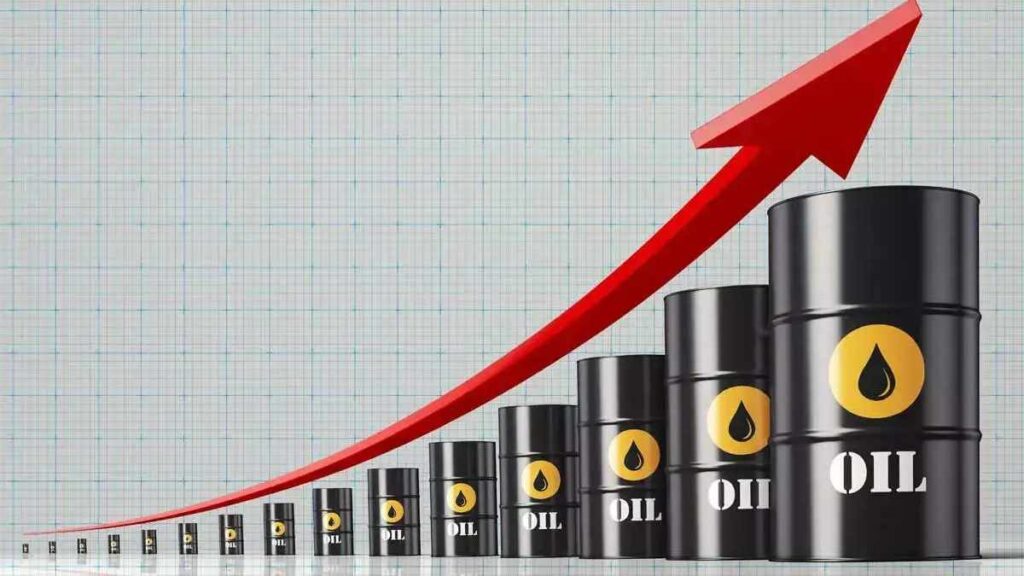
In recent times, the WTI crude oil price has experienced a significant surge. Understanding the catalysts behind this increase and its implications is crucial for stakeholders across industries.
Understanding WTI Crude Oil
WTI crude oil is a type of light, sweet crude oil that serves as a benchmark for oil pricing in the United States.
Derived primarily from the oil fields in Texas, WTI is considered superior due to its low sulfur content and density, which makes it easier and cheaper to refine.
As a result, it is often favored for gasoline and diesel production. The trading of WTI crude oil occurs primarily on the New York Mercantile Exchange (NYMEX) and significantly influences other oil prices worldwide.
Recent Surge in WTI Crude Oil Prices
Over the past few years, WTI crude oil prices have been on a rollercoaster ride.
The recent surge can be attributed to several interlinked factors.
From supply chain disruptions to shifts in global demand patterns, these elements have converged to push prices upwards.
Supply Constraints
One of the primary drivers of the recent surge in WTI crude oil prices is supply constraints.
The Organization of the Petroleum Exporting Countries (OPEC) and its allies, commonly referred to as OPEC+, have played a critical role in managing oil supply levels.
In response to the COVID-19 pandemic, OPEC+ implemented production cuts to stabilize falling prices.
As global economic activity resumed, these cuts were gradually eased, but not at a pace that matched the surge in demand.
Additionally, geopolitical tensions in key oil-producing regions, such as the Middle East, have further tightened the supply.
Rising Global Demand
As economies worldwide recover from the impact of the pandemic, there is a notable resurgence in energy demand.
Industrial activities have ramped up, and transportation sectors have seen increased activity, contributing to higher oil consumption.
This has been particularly pronounced in emerging markets where economic growth and urbanization drive energy needs.
The mismatch between swift rising demand and restrained supply has created a favorable environment for price increases.
Inflationary Pressures
Inflationary pressures have also played a role in the surge of WTI crude oil prices.
Across various economies, inflation rates have been climbing, influenced by factors like supply chain disruptions, labor shortages, and increased consumer spending.
Higher inflation rates often lead to increased costs for production and transportation, which in turn affect oil prices.
As oil is a key input for many industries, any increase in its price tends to ripple through the broader economy, further fueling inflation.
Financial Market Dynamics
The financial markets have also contributed to the rise in WTI crude oil prices.
Investors often view commodities like oil as a hedge against inflation, leading to increased speculative trading in oil futures.
In times of economic uncertainty, this speculation can drive prices higher as traders bet on future price increases.
Additionally, fluctuations in currency values, particularly the US dollar, can impact oil prices.
Since oil is traded globally in US dollars, a weaker dollar can make oil cheaper for holders of other currencies, further boosting demand.
Implications of the Price Surge
The surge in WTI crude oil prices carries significant implications for various sectors and stakeholders, ranging from consumers to policymakers.
Consumer Impact
For consumers, the most immediate impact is felt at the gas pump.
Higher crude oil prices translate to increased gasoline and diesel prices, which can strain household budgets.
This is particularly challenging for low-income households where energy expenditures constitute a larger portion of total income.
Additionally, higher fuel costs can lead to increased prices for goods and services, as transportation costs rise.
Business and Industrial Impact
For businesses, the impact of rising oil prices depends on the sector.
Energy-intensive industries, such as manufacturing and transportation, may face increased operational costs, potentially reducing profit margins.
Conversely, the oil and gas industry may benefit from higher prices, leading to increased revenues and potential investments in oil exploration and production activities.
Geopolitical and Economic Implications
On a geopolitical level, fluctuations in oil prices can influence international relations.
Oil-exporting countries experiencing higher revenues may gain increased geopolitical leverage, while importing countries might face economic challenges.
Moreover, the transition to renewable energy sources could be impacted, as fluctuating oil prices can affect the competitiveness of alternative energy investments.
Conclusion
The recent surge in WTI crude oil prices is a complex phenomenon influenced by a confluence of factors, including supply constraints, rising global demand, inflationary pressures, and financial market dynamics.
Understanding these factors and their interconnectedness is crucial for stakeholders across the economic spectrum.
As the world continues to navigate these challenges, the role of WTI crude oil in the global energy landscape remains as significant as ever.
Policymakers, businesses, and consumers alike must adapt to the shifting dynamics of the oil market to mitigate risks and capitalize on potential opportunities.