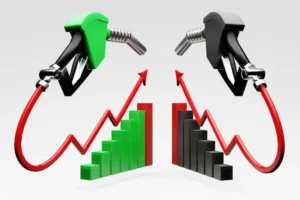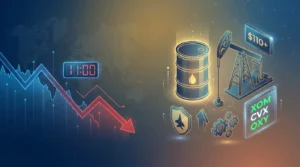

The global economy is intrinsically linked to the fluctuations in oil prices, affecting everything from transportation costs to the price of goods on the shelves. Understanding the trends in oil prices per barrel is crucial for businesses, policymakers, and consumers alike. This article delves into the factors influencing oil prices, current trends, and what the future may hold for this volatile market.
Historical Context of Oil Prices
Oil has been a pivotal resource for over a century, with its price dictated by a complex interplay of supply, demand, geopolitical tensions, and technological advancements. Historically, oil prices have experienced significant volatility, with notable spikes during events such as the 1973 oil embargo, the Iranian Revolution in 1979, and the Gulf War in the early 1990s. More recently, the 2008 financial crisis and the COVID-19 pandemic have also left their mark on the oil market.
Key Factors Influencing Oil Prices
Understanding the dynamics of oil prices requires examining several key factors:
Supply and Demand
At its core, the price of oil is a reflection of supply and demand. When demand outpaces supply, prices rise. Conversely, when supply exceeds demand, prices fall. Factors such as economic growth, industrial activity, and seasonal variations affect demand, while supply can be influenced by production levels, geopolitical events, and natural disasters.
Geopolitical Tensions
Oil markets are highly sensitive to geopolitical developments. Conflicts in oil-producing regions, such as the Middle East, can lead to disruptions in supply, causing prices to spike. Sanctions and trade policies also play a significant role in shaping oil prices.
Technological Advancements
Technological progress in oil extraction and production, such as hydraulic fracturing and deep-sea drilling, has significantly impacted supply dynamics. Additionally, advances in renewable energy and electric vehicles are shaping long-term demand trends.
OPEC and Non-OPEC Producers
The Organization of the Petroleum Exporting Countries (OPEC) has historically played a crucial role in managing oil prices by coordinating production levels among member countries. However, the influence of non-OPEC producers, particularly the United States with its shale oil production, has grown in recent years.
Current Trends in Oil Prices
In recent years, the oil market has experienced significant shifts, driven by a combination of the factors mentioned above.
Impact of the COVID-19 Pandemic
The COVID-19 pandemic had an unprecedented impact on global oil demand, as lockdowns and travel restrictions led to a sharp decrease in consumption. In April 2020, oil prices briefly turned negative for the first time in history as storage facilities reached capacity. Since then, prices have gradually recovered as economies reopened and demand rebounded.
Energy Transition and Climate Policies
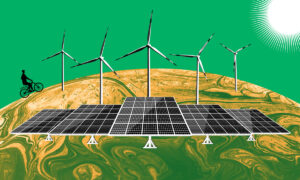
The global push towards cleaner energy sources and stricter climate policies is reshaping the oil market. Many countries are implementing measures to reduce carbon emissions, which could lead to a decline in oil demand over the long term. This transition presents both challenges and opportunities for oil producers, who must adapt to changing market conditions.
Geopolitical Developments
Recent geopolitical tensions, such as the Russia-Ukraine conflict and U.S.-Iran relations, have added complexity to the oil market. Sanctions and supply disruptions can lead to short-term price spikes, while broader geopolitical trends influence long-term market stability.
Future Outlook for Oil Prices
Predicting future oil prices is inherently challenging due to the numerous variables at play. However, several scenarios can be considered:
Scenario 1: Continued Volatility
Given the complex interplay of factors influencing oil prices, continued volatility is likely. Geopolitical tensions, supply disruptions, and economic uncertainties can lead to sharp price fluctuations, making it essential for stakeholders to remain vigilant and adaptable.
Scenario 2: Stabilization through Innovation
Technological advancements and increased efficiency in both production and consumption could lead to a more stable oil market. Innovations in extraction methods, coupled with improved energy efficiency and the growth of alternative energy sources, may help balance supply and demand.
Scenario 3: Decline in Demand
As the world moves towards sustainable energy solutions, a gradual decline in oil demand is possible. This shift could lead to lower prices over the long term, with implications for oil-dependent economies and industries.
Conclusion
The future of oil prices per barrel is shaped by a myriad of factors, from geopolitical developments to technological innovations and shifts in consumer behavior. While predicting precise price movements is challenging, understanding the underlying trends and dynamics can provide valuable insights for businesses, policymakers, and consumers. As the world navigates the energy transition, staying informed and adaptable will be key to unlocking the future of the oil market.
References
For further reading on this topic, consider exploring reports from the International Energy Agency (IEA), the Organization of the Petroleum Exporting Countries (OPEC), and various financial and economic analysis publications that provide in-depth insights into global oil market trends and forecasts.