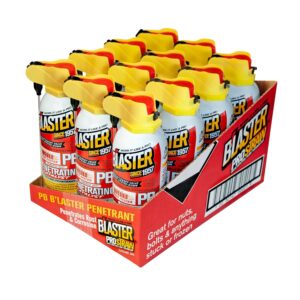

In the world of machinery, efficiency and longevity are crucial components of success. Whether it’s in manufacturing, construction, or automotive industries, machinery plays a pivotal role in productivity. One of the key elements in maintaining machinery performance is the proper use of lubricants. Lubricants reduce friction, wear, and overheating, ensuring that machines operate smoothly and efficiently. This article delves into the top lubricants that contribute to optimal machinery performance, exploring their types, benefits, and applications.
Understanding Lubricants
Lubricants are substances introduced to reduce friction between surfaces in mutual contact, ultimately reducing the heat generated when the surfaces move. They can also have the function of transmitting forces, transporting foreign particles, or heating or cooling the surfaces. The primary types of lubricants include oils, greases, and dry lubricants, each with unique properties and applications.
Types of Lubricants
Oils
Oils are the most commonly used lubricants in industrial applications. They are typically made from base oils derived from petroleum or synthetic compounds. Oils have excellent thermal stability and can effectively dissipate heat, making them ideal for high-temperature applications. They also possess good fluidity, which allows them to reach and lubricate even the smallest of machine parts.
Greases
Greases are semi-solid lubricants composed of a base oil and a thickener. They are particularly useful in applications where the lubricant needs to stay in place, such as in bearings or gears. Greases provide excellent protection against moisture and contaminants, making them ideal for harsh environments.
Dry Lubricants
Dry lubricants, such as graphite or molybdenum disulfide, are used in applications where liquid lubricants are not feasible. They work by creating a thin film that reduces friction between surfaces, and are commonly used in high-temperature or vacuum environments.
Top Lubricants for Machinery
Selecting the right lubricant is crucial for maximizing machinery performance and lifespan. The choice depends on factors such as operating conditions, load, speed, and temperature. Here are some top lubricants that are widely recognized for their performance-enhancing properties:
Synthetic Oils
Synthetic oils are engineered to provide superior performance compared to conventional oils. They offer excellent viscosity stability, reduced volatility, and enhanced lubrication at extreme temperatures. Synthetic oils are ideal for high-performance engines and machinery operating under severe conditions. They also tend to have longer service intervals, reducing maintenance costs.
High-Temperature Greases
High-temperature greases are specifically formulated to perform in environments where temperatures exceed the capabilities of standard greases. These greases contain advanced thickeners and additives that provide excellent thermal stability, oxidation resistance, and load-carrying capacity. They are commonly used in industrial applications such as steel mills, foundries, and automotive engines.
Biodegradable Lubricants
With increasing environmental awareness, biodegradable lubricants have gained popularity. These lubricants are made from renewable resources and are designed to minimize environmental impact. They are particularly useful in applications where lubricant leakage or contamination is a concern, such as marine and agricultural machinery. Biodegradable lubricants offer comparable performance to conventional lubricants while being environmentally friendly.
Extreme Pressure (EP) Additives
EP additives are chemical compounds added to lubricants to enhance their load-carrying capacity and reduce wear under extreme pressure conditions. They form a protective layer on metal surfaces, preventing direct contact and reducing the risk of damage. EP additives are commonly found in gear oils and hydraulic fluids, where they ensure reliable performance in heavy-duty applications.
Benefits of Using the Right Lubricants
Using the appropriate lubricants can significantly improve machinery performance and extend its lifespan. Here are some key benefits:
Reduced Friction and Wear
Lubricants create a protective film between moving parts, reducing friction and minimizing wear. This translates to smoother operation, reduced energy consumption, and lower maintenance costs.
Improved Heat Dissipation
Effective lubrication helps dissipate heat generated during operation, preventing overheating and extending the life of components. This is particularly important in high-temperature applications where heat buildup can cause significant damage.
Corrosion Protection
Many lubricants contain additives that provide protection against corrosion and rust. This is crucial for machinery operating in humid or corrosive environments, as it prevents degradation and ensures reliable performance.
Extended Machinery Lifespan
By reducing wear, preventing overheating, and protecting against corrosion, the right lubricants can significantly extend the lifespan of machinery. This leads to reduced downtime, increased productivity, and cost savings over the long term.
Conclusion
In the quest for optimal machinery performance, the role of lubricants cannot be understated. Choosing the right lubricant involves considering the specific needs and operating conditions of the machinery. Synthetic oils, high-temperature greases, biodegradable lubricants, and EP additives are among the top choices for enhancing performance and extending the life of machines. By understanding the types and benefits of lubricants, industries can ensure their machinery operates efficiently, reliably, and sustainably. Investing in quality lubricants is an investment in the long-term success and productivity of any operation.