
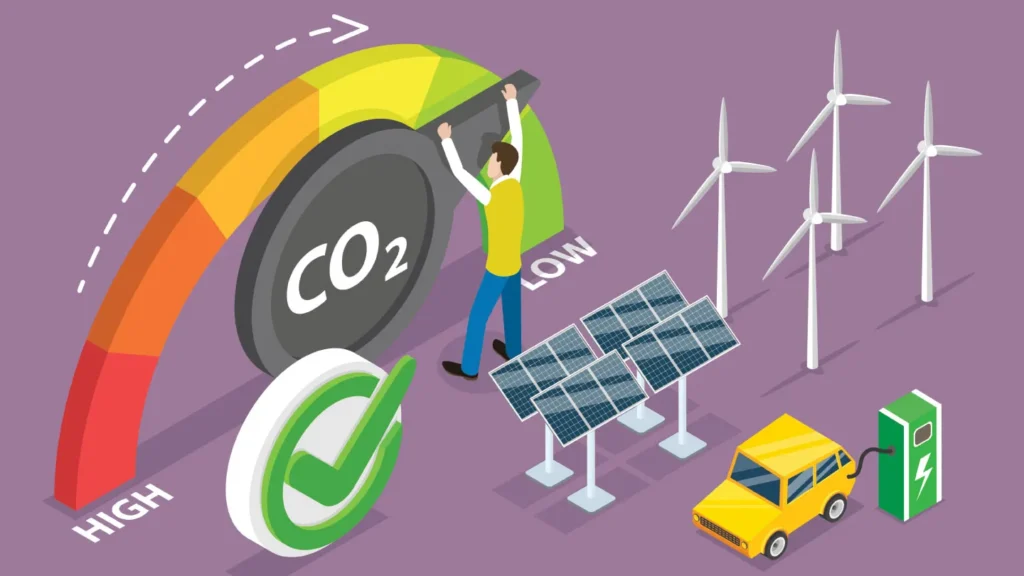
As the impacts of climate change become increasingly evident, the urgency to reduce carbon emissions has never been greater. The need for immediate and effective strategies to combat climate change is critical, not only for the health of our planet but also for the well-being of future generations. This article explores innovative strategies that can rapidly cut carbon emissions, focusing on technological, policy-driven, and community-based solutions.
Technological Innovations
Renewable Energy Integration
One of the most impactful ways to reduce carbon emissions is by transitioning from fossil fuels to renewable energy sources like wind, solar, and hydropower. The integration of these technologies into the existing energy grid is crucial. Innovations such as advanced energy storage systems and smart grid technology can help manage the intermittency of renewable energy sources, ensuring reliable and continuous power supply. Battery technologies, such as lithium-ion and emerging solid-state batteries, offer efficient storage solutions that can store excess energy generated during peak production times for use when production is low.
Carbon Capture and Storage (CCS)
Carbon capture and storage technology captures carbon dioxide emissions from sources like power plants and industrial facilities before they reach the atmosphere. The captured CO2 is then transported and stored underground in geological formations. Innovations in CCS technologies are making it more efficient and cost-effective. Enhanced oil recovery, direct air capture, and bioenergy with carbon capture and storage (BECCS) are among the promising methods to sequester carbon effectively.
Electrification of Transportation
The transition from internal combustion engine vehicles to electric vehicles (EVs) is a significant step toward reducing carbon emissions. Innovations in EV technology, such as improved battery life, faster charging times, and increased vehicle range, make EVs more appealing to consumers. Additionally, the development of charging infrastructure and incentives for EV adoption can accelerate this transition. Public transportation systems powered by electricity, such as electric buses and trains, also play a vital role in cutting emissions in urban areas.
Policy-Driven Approaches
Carbon Pricing
Implementing carbon pricing mechanisms, such as carbon taxes or cap-and-trade systems, can provide economic incentives for reducing emissions. By assigning a cost to carbon emissions, businesses and individuals are encouraged to adopt cleaner technologies and practices. Carbon pricing can drive investments in renewable energy, energy efficiency, and other low-carbon technologies. Policymakers must ensure that these systems are fair and effective, preventing loopholes and ensuring that the cost of carbon emissions is sufficiently high to drive significant change.
Regulatory Standards
Governments can set stringent regulatory standards to limit carbon emissions from industrial sectors, transportation, and energy production. These regulations can include efficiency standards for appliances, vehicles, and buildings, as well as emission standards for power plants and industrial facilities. By enforcing these standards, governments can ensure that industries adopt cleaner technologies and practices, leading to significant emissions reductions.
Investment in Research and Development
Public and private investment in research and development is crucial for discovering new technologies and improving existing ones. Governments can provide grants, subsidies, and tax incentives to encourage innovation in clean energy technologies. Programs that foster collaboration between universities, research institutions, and industries can accelerate the development of cutting-edge solutions to reduce emissions.
Community-Based Solutions
Local Renewable Energy Projects
Community-based renewable energy projects empower local communities to generate their power sustainably. Projects like community solar farms, wind cooperatives, and microgrids can provide clean energy to residents while reducing dependence on centralized fossil fuel-based power plants. These initiatives can also create local jobs and stimulate economic growth, making them attractive options for community development.
Energy Efficiency Initiatives
Promoting energy efficiency at the community level can lead to significant reductions in carbon emissions. Initiatives such as weatherization programs, energy audits, and incentives for energy-efficient appliances can help households and businesses reduce their energy consumption. Education and outreach efforts can raise awareness about the importance of energy efficiency and provide practical tips for reducing energy use in everyday life.
Urban Planning and Sustainable Development
Cities play a crucial role in reducing carbon emissions, as urban areas are responsible for a significant portion of global emissions. Sustainable urban planning and development can create more livable, low-carbon cities. Strategies such as promoting public transportation, designing walkable neighborhoods, and incorporating green spaces can reduce reliance on personal vehicles and lower emissions. Implementing green building standards and encouraging the use of sustainable materials can also contribute to emissions reductions in urban areas.
Conclusion
The challenge of cutting carbon emissions rapidly requires a multifaceted approach that combines technological innovation, policy-driven measures, and community-based solutions. By leveraging these strategies, we can make significant progress in reducing carbon emissions and mitigating the impacts of climate change. Collaboration among governments, businesses, and communities is essential to drive the transition to a low-carbon future. The time for action is now, and by embracing these innovative strategies, we can create a more sustainable and resilient world for generations to come.