The dynamics of oil supply and demand have long been pivotal in shaping global economic landscapes. As a crucial energy source, oil influences everything from transportation to manufacturing, and shifts in its supply can have profound ripple effects across markets worldwide. This article delves into how fluctuations in oil supply impact global markets, examining historical instances, current trends, and future implications.
Historical Context: Oil Supply and Global Economics
To understand the current and future implications of oil supply shifts, it is essential to first explore the historical context. The oil crises of the 1970s, marked by the OPEC oil embargo and the Iranian Revolution, serve as prime examples of how sudden supply disruptions can lead to economic turmoil. These events led to skyrocketing oil prices, inflation, and a global recession, underscoring the world’s vulnerability to oil supply shifts.
In contrast, the 1980s saw a period of oil glut, where increased production led to plummeting prices. This era demonstrated how oversupply could destabilize economies that heavily relied on oil revenues, particularly those in the Middle East. The historical interplay between supply shocks and economic consequences highlights the delicate balance between production, pricing, and geopolitical stability.
Current Trends in Oil Supply
In recent years, the global oil landscape has witnessed significant changes due to technological advancements, geopolitical tensions, and evolving energy policies. The rise of shale oil production in the United States has transformed the country into a major oil exporter, challenging traditional suppliers like OPEC. This shift has introduced new dynamics into the global oil market, influencing pricing and supply stability.
Moreover, geopolitical tensions in key oil-producing regions, such as the Middle East, continue to pose risks to supply security. Conflicts, sanctions, and political instability can lead to sudden supply disruptions, impacting global oil prices and economic stability. Additionally, the increasing focus on renewable energy and climate policies is gradually reshaping the demand for oil, potentially leading to supply adjustments as countries transition towards cleaner energy sources.
The Economic Impact of Oil Supply Shifts
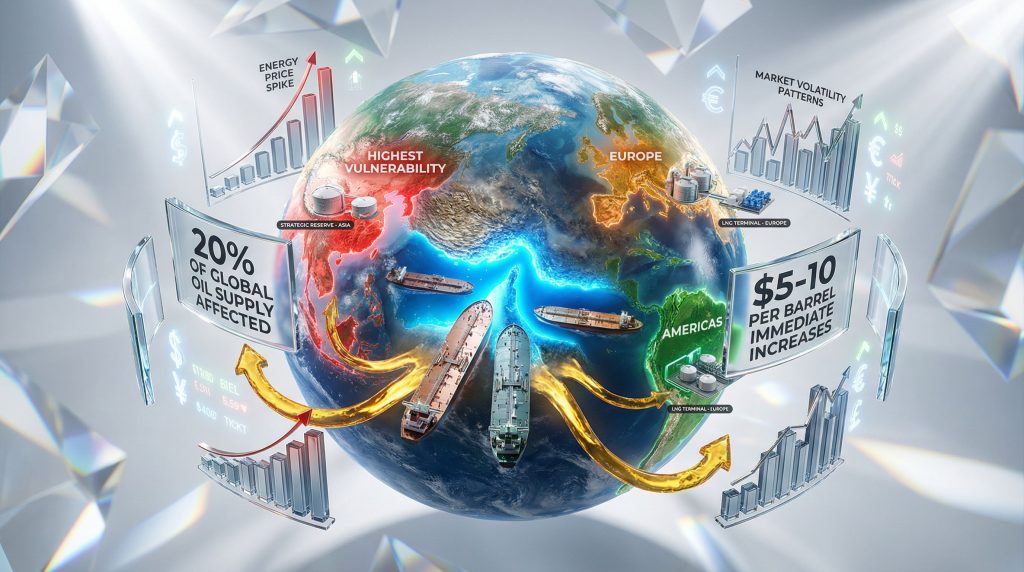
Shifts in oil supply have far-reaching effects on global economies, affecting everything from inflation rates to currency values. When oil supply is disrupted, prices typically rise, leading to higher transportation and manufacturing costs. This, in turn, can contribute to inflation, reducing consumer purchasing power and slowing economic growth.
Conversely, an oversupply of oil can lead to falling prices, which, while beneficial for oil-importing countries, can have detrimental effects on oil-exporting nations. These countries often rely heavily on oil revenues to fund public services and infrastructure, and a significant drop in prices can lead to budget deficits and economic instability.
Furthermore, oil supply shifts can influence currency values, particularly for countries heavily dependent on oil exports. A decrease in oil revenues can lead to a depreciation of the national currency, increasing the cost of imports and exacerbating economic challenges.
Sectoral Impacts: Winners and Losers
Different economic sectors respond variably to changes in oil supply. The transportation and manufacturing sectors are typically hit hardest by rising oil prices due to their reliance on fuel. Higher operational costs can lead to increased prices for goods and services, affecting consumer demand and profitability.
On the other hand, the renewable energy sector often benefits from rising oil prices as they make alternative energy sources more economically attractive. This can lead to increased investment in renewable technologies and infrastructure, accelerating the transition to a more sustainable energy system.
Additionally, oil supply shifts can impact the financial markets, particularly in countries with significant energy sectors. Stock prices of oil companies tend to fluctuate with changes in oil prices, influencing overall market performance and investor sentiment.
Geopolitical Implications of Oil Supply Shifts
Oil supply shifts are not merely economic events; they also hold significant geopolitical implications. Countries with large oil reserves often wield considerable influence in global politics, using oil as a tool for diplomacy and economic leverage. Supply disruptions or strategic production cuts can be employed to exert pressure on other nations or achieve geopolitical objectives.
Moreover, the transition towards renewable energy and reduced dependence on oil is reshaping geopolitical alliances and power dynamics. As countries seek to diversify their energy sources, traditional oil-producing nations may experience a shift in their geopolitical influence, necessitating strategic adaptations to maintain their positions in the global arena.
Future Outlook: Navigating a Changing Landscape
Looking ahead, the global oil market is poised to undergo further transformations driven by technological advancements, policy shifts, and changing consumer behavior. The continued rise of renewable energy and electric vehicles is expected to gradually reduce the world’s reliance on oil, leading to structural changes in supply and demand dynamics.
However, the transition to a low-carbon economy is not without challenges. Balancing the need for energy security, economic growth, and environmental sustainability requires careful policy planning and international cooperation. Countries must navigate the complexities of energy transitions while managing the economic and social impacts of shifting oil supply dynamics.
Furthermore, technological innovations in oil extraction and production, such as enhanced oil recovery techniques and digitalization, could lead to increased efficiency and new supply opportunities. These advancements may help stabilize the market and provide a buffer against potential supply disruptions.
Conclusion
The impact of oil supply shifts on global markets is profound and multifaceted, influencing economic stability, geopolitical relations, and sectoral performance. As the world continues to grapple with the complexities of energy transitions and geopolitical uncertainties, understanding the implications of oil supply dynamics is crucial for policymakers, businesses, and investors alike.
By examining historical precedents, current trends, and future outlooks, stakeholders can better navigate the challenges and opportunities presented by shifting oil supply landscapes. As the global energy landscape evolves, adaptability and foresight will be key to ensuring economic resilience and sustainable growth in an increasingly interconnected world.