
The global energy landscape is undergoing a profound transformation, driven by the urgent need to address climate change, reduce dependency on fossil fuels, and promote sustainable growth. As the world pivots towards cleaner and more sustainable energy solutions, renewable energy sources have emerged as pivotal players in this transition. This article delves into the top renewable sources that are revolutionizing the energy sector, their unique advantages, and the challenges that come with their adoption.
Solar Energy: Harnessing the Power of the Sun
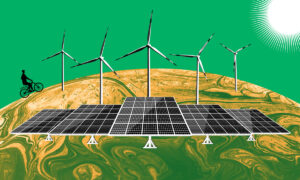
Solar energy is arguably the most abundant and inexhaustible energy source available to mankind. Capturing sunlight and converting it into electricity through photovoltaic (PV) cells or solar thermal systems has become increasingly viable due to technological advancements and declining costs. Solar panels are now a common sight on rooftops and in large-scale solar farms across the globe.
Advantages
- Abundance: The sun provides more energy in an hour than the world consumes in a year.
- Sustainability: As long as the sun shines, solar energy will remain a sustainable resource.
- Decentralization: Solar panels can be installed at the point of use, reducing transmission losses and empowering local communities.
Challenges
- Intermittency: Solar energy is dependent on weather conditions and daylight, necessitating energy storage solutions.
- Space Requirements: Large solar farms require significant land area, which can lead to land use conflicts.
Wind Energy: Capturing the Power of the Wind
Wind energy is another rapidly growing renewable source, with wind turbines converting kinetic energy from wind into electricity. Wind farms are being deployed both onshore and offshore, with offshore wind farms, in particular, gaining traction due to higher wind speeds and less visual impact.
Advantages
- High Efficiency: Modern wind turbines have become highly efficient, producing large amounts of energy from relatively small footprints.
- Cost-Effective: Wind energy has become one of the most cost-competitive renewable energy sources.
- Scalability: Wind farms can be scaled up or down based on energy demand and available space.
Challenges
- Variable Output: Wind energy production can fluctuate based on wind availability and speed.
- Environmental Impact: Wind farms can impact local wildlife, particularly birds and bats, and may face opposition from local communities.
Hydropower: Tapping the Energy of Water
Hydropower is one of the oldest and most established forms of renewable energy, using the flow of water to generate electricity. Large-scale dams, as well as smaller run-of-the-river and micro-hydropower systems, harness the energy of moving water.
Advantages
- Reliability: Hydropower plants can provide a continuous and stable power supply.
- Energy Storage: Reservoirs can store energy in the form of water, allowing for energy production on demand.
- Low Operating Costs: Once established, hydropower plants have low operating and maintenance costs.
Challenges
- Environmental Concerns: Large dams can disrupt local ecosystems, displace communities, and alter water quality.
- Geographic Limitations: Suitable sites for hydropower are limited, often leading to regional disparities in its deployment.
Biomass Energy: From Organic Material to Power
Biomass energy involves converting organic materials, such as agricultural residues, forestry by-products, and even municipal waste, into energy. This can be achieved through direct combustion, anaerobic digestion, or the production of biofuels.
Advantages
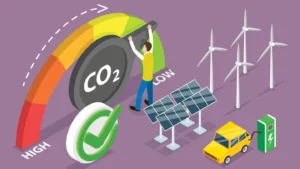
- Carbon Neutral: Biomass energy is considered carbon neutral, as the CO2 released during combustion is offset by the CO2 absorbed during the growth of the biomass.
- Waste Reduction: Utilizing waste materials for energy production helps reduce landfill waste.
- Diverse Applications: Biomass can be used for electricity, heat, and transportation fuels.
Challenges
- Resource Intensive: Biomass production can compete with food production and lead to deforestation if not managed sustainably.
- Variable Energy Content: The energy content of biomass can vary greatly, impacting efficiency.
Geothermal Energy: Earth’s Heat as a Power Source
Geothermal energy exploits the heat stored beneath the Earth’s surface to generate electricity and provide direct heating. This energy source is tapped through geothermal power plants or by using geothermal heat pumps for heating and cooling.
Advantages
- Base Load Power: Geothermal plants provide a stable supply of energy, independent of weather conditions.
- Small Land Footprint: Geothermal installations require less land compared to solar or wind farms.
- Low Emissions: Geothermal power plants emit very low levels of greenhouse gases.
Challenges
- Location Specific: Geothermal energy is highly location-specific, requiring suitable geological conditions.
- High Initial Costs: The exploration and development costs for geothermal energy can be substantial.
Conclusion
The transition to renewable energy sources is not just a technological challenge but a societal imperative. Each of the renewable energy sources discussed in this article—solar, wind, hydropower, biomass, and geothermal—offers unique advantages and faces distinct challenges. Together, they represent a comprehensive toolkit for reducing carbon emissions, enhancing energy security, and fostering sustainable development.
As we move forward, integrating these renewable sources into a cohesive and resilient energy system will require innovation, policy support, and international collaboration. By embracing a diverse energy mix, we can create a sustainable energy future that meets the needs of both people and the planet.