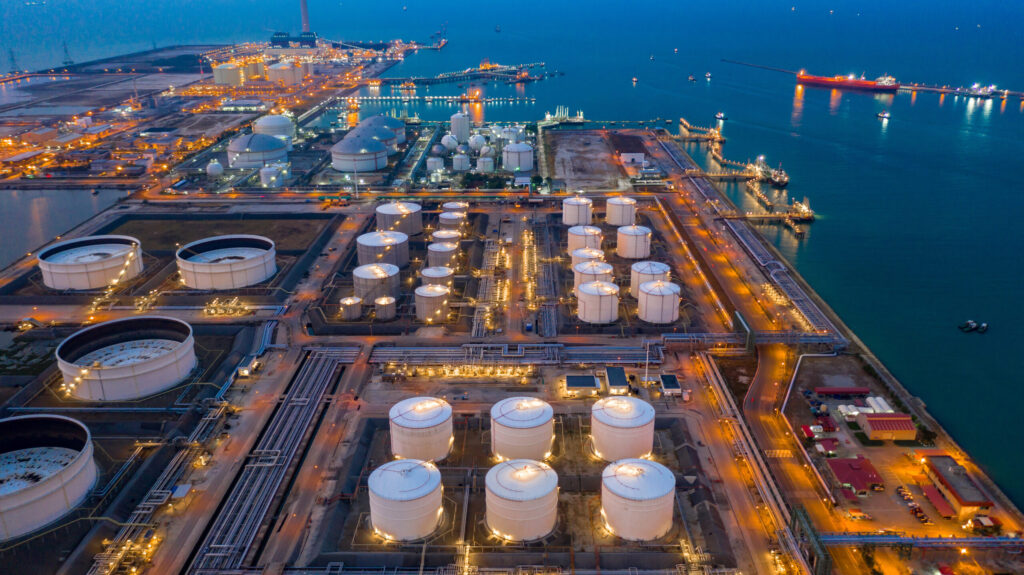
The oil and gas industry is in a state of perpetual evolution, influenced by technological advancements, geopolitical shifts, and global economic trends. As 2026 unfolds, industry stakeholders are keenly observing the emerging trends that will shape the future landscape. This article explores some of the most significant trends anticipated to impact the oil and gas sector in 2026, providing insights into how companies can adapt to these changes to maintain competitiveness and sustainability.
Technological Innovations
Technological innovation continues to be a driving force in the oil and gas industry, enhancing efficiency, safety, and environmental performance. In 2026, several cutting-edge technologies are expected to gain prominence.
Digital Twin Technology
Digital twin technology, which involves creating a virtual replica of physical assets, is gaining traction. This technology allows for real-time monitoring and predictive maintenance, reducing downtime and operational costs. Companies are increasingly investing in digital twins to optimize asset management and improve decision-making processes.
Artificial Intelligence and Machine Learning
Artificial Intelligence (AI) and Machine Learning (ML) are revolutionizing data analysis and operational efficiency. In 2026, these technologies will be pivotal in areas such as exploration, production optimization, and predictive maintenance. AI algorithms can process vast amounts of data to identify patterns and provide actionable insights, improving the accuracy of exploration activities and enhancing production efficiency.
Blockchain for Supply Chain Management
Blockchain technology is poised to transform supply chain management in the oil and gas industry. Its ability to provide transparent and immutable records enhances security and reduces fraud. In 2026, more companies are expected to adopt blockchain to streamline operations, increase transparency, and build trust among stakeholders.
Sustainability and Environmental Concerns
With growing awareness of environmental issues and stringent regulations, sustainability is at the forefront of industry trends in 2026. Companies are under pressure to minimize their environmental impact and transition to cleaner energy sources.
Carbon Capture and Storage (CCS)
Carbon capture and storage technologies are crucial in reducing carbon emissions. In 2026, there will be increased investment in CCS projects as companies strive to meet climate goals. By capturing CO2 emissions from industrial processes and storing them underground, the industry aims to mitigate its environmental impact.
Transition to Renewable Energy
The transition to renewable energy sources is accelerating. Oil and gas companies are diversifying their portfolios by investing in wind, solar, and hydrogen projects. This trend is driven by the need to align with global climate agreements and reduce reliance on fossil fuels, ensuring long-term sustainability and competitiveness.
Geopolitical Influences
Geopolitical dynamics continue to play a significant role in shaping the oil and gas industry. In 2026, several geopolitical factors are expected to influence market conditions and strategic decisions.
OPEC+ Policies
The policies of the Organization of the Petroleum Exporting Countries (OPEC) and its allies, known as OPEC+, will remain a critical factor in determining oil prices. In 2026, the group’s production quotas and strategies to balance supply and demand will be closely monitored by industry stakeholders.
US-China Relations
The relationship between the United States and China has far-reaching implications for global trade and energy markets. Any shifts in trade policies or diplomatic relations could impact oil demand and supply chains. Companies will need to navigate these complexities to ensure stability and continuity of operations.
Market Dynamics and Economic Factors
The oil and gas market is influenced by a myriad of economic factors, including supply and demand dynamics, price volatility, and global economic conditions.
Price Volatility and Market Uncertainty
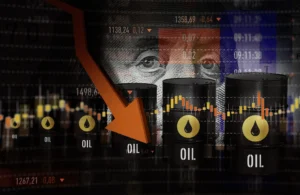
Price volatility remains a constant challenge in the oil and gas industry. In 2026, companies will need to adopt robust risk management strategies to mitigate the impact of fluctuating oil prices. Market uncertainty, driven by geopolitical tensions and economic shifts, will require agile decision-making and strategic planning.
Investment in Energy Infrastructure
Investment in energy infrastructure is crucial for meeting future energy demands. In 2026, there will be a focus on upgrading existing infrastructure and building new facilities to support the transition to cleaner energy sources. This includes investments in pipelines, storage facilities, and renewable energy installations.
Workforce Transformation
The oil and gas industry is experiencing a transformation in its workforce, driven by technological advancements and changing skill requirements.
Upskilling and Reskilling
As the industry embraces new technologies, there is a growing demand for skilled professionals who can operate and maintain advanced systems. Companies are investing in upskilling and reskilling programs to equip their workforce with the necessary competencies to thrive in a digitalized environment.
Diversity and Inclusion
Diversity and inclusion are becoming increasingly important in the oil and gas sector. Companies are recognizing the value of diverse perspectives in driving innovation and improving organizational performance. In 2026, there will be a heightened focus on creating inclusive work environments and promoting diversity at all levels of the organization.
Conclusion
The oil and gas industry is at a pivotal juncture, facing a myriad of challenges and opportunities in 2026. Technological innovations, sustainability initiatives, geopolitical factors, market dynamics, and workforce transformation are all shaping the future of the sector. Companies that proactively adapt to these trends and embrace change will be well-positioned to thrive in an ever-evolving landscape. By leveraging advanced technologies, prioritizing sustainability, and fostering a skilled and diverse workforce, the industry can navigate the complexities of the future and continue to play a vital role in the global energy ecosystem.