
The global oil supply chain is a complex, dynamic network that spans exploration, production, refining, distribution, and retail. Given its pivotal role in powering economies and influencing geopolitical dynamics, optimizing this supply chain for future resilience is of paramount importance. This article delves into the strategies and technologies that can enhance the efficiency, reliability, and adaptability of the oil supply chain in the face of evolving challenges and opportunities.
Understanding the Current Landscape
The oil supply chain is currently navigating a myriad of challenges, including fluctuating demand, geopolitical tensions, regulatory pressures, and the need for sustainability. Additionally, the COVID-19 pandemic has underscored the importance of supply chain resilience, highlighting vulnerabilities and triggering a reevaluation of traditional practices.
Key Components of the Oil Supply Chain
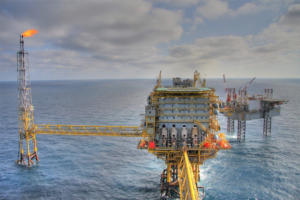
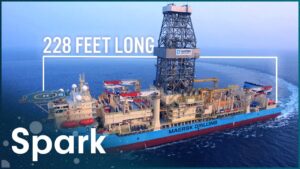
1. **Exploration and Production:** This initial stage involves discovering and extracting crude oil. Advances in seismic technology and drilling techniques have significantly improved exploration success rates and production efficiency.
2. **Transportation:** Crude oil is transported via pipelines, tankers, and railways to refineries. The choice of transportation method depends on geographical and logistical considerations.
3. **Refining:** At refineries, crude oil is processed into various products such as gasoline, diesel, and jet fuel. The complexity of refining operations necessitates advanced technologies to maximize yield and minimize environmental impact.
4. **Distribution and Retail:** Refined products are distributed to end-users through a network of pipelines, tankers, trucks, and retail outlets. This stage is critical for ensuring timely delivery and maintaining customer satisfaction.
Challenges Facing the Oil Supply Chain
Volatility in Demand
The demand for oil is influenced by numerous factors, including economic growth, technological advancements, and shifts in consumer behavior. The transition towards renewable energy sources further adds to the uncertainty, necessitating agile supply chain strategies.
Geopolitical Tensions
Regions rich in oil reserves are often fraught with geopolitical instability. Conflicts can disrupt supply routes, leading to price volatility and supply shortages. Building resilient supply chains requires strategies to mitigate these risks.
Environmental and Regulatory Pressures
Increasing awareness of climate change and environmental degradation has led to stringent regulations on emissions and waste management. Compliance with these regulations requires significant investment in cleaner technologies and practices.
Technological Disruptions
The rapid pace of technological change presents both opportunities and challenges. While digital innovations offer efficiencies, they also require significant capital investment and can disrupt traditional business models.
Strategies for Optimizing the Oil Supply Chain
Leveraging Digital Technologies
1. **IoT and Real-Time Monitoring:** The Internet of Things (IoT) enables real-time monitoring of equipment, pipelines, and transportation vehicles. This technology can predict maintenance needs, thereby reducing downtime and preventing accidents.
2. **Big Data Analytics:** Analyzing vast amounts of data can uncover patterns and insights that drive efficiency. Predictive analytics can be used to forecast demand, optimize logistics, and improve decision-making processes.
3. **Blockchain for Transparency:** Blockchain technology ensures transparency and traceability across the supply chain. It can enhance trust among stakeholders, streamline transactions, and prevent fraud.
Enhancing Flexibility and Adaptability
1. **Diversifying Supply Sources:** Relying on multiple suppliers from different regions can mitigate the risks associated with geopolitical instability. Strategic stockpiling and investment in alternative energy sources further enhance resilience.
2. **Agile Logistics and Distribution:** Flexible logistics networks can adapt to changing demand patterns and disruptions. Employing a mix of transportation modes and maintaining strategic reserves ensures continuity of supply.
Focusing on Sustainability
1. **Investing in Cleaner Technologies:** Developing and deploying technologies that reduce emissions and waste are crucial for compliance and environmental stewardship. This includes carbon capture and storage, as well as energy-efficient refining processes.
2. **Circular Economy Practices:** Implementing circular economy principles, such as recycling and reusing materials, can reduce waste and enhance resource efficiency. This contributes to both economic and environmental sustainability.
Future Trends and Opportunities
Integration of Renewable Energy
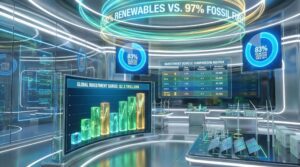
The integration of renewable energy sources into the oil industry is gaining momentum. Hybrid systems that combine fossil fuels and renewables can reduce emissions and enhance energy security.
Advanced Automation and AI
Automation and artificial intelligence (AI) are transforming operational processes across the supply chain. From robotic drilling to AI-driven demand forecasting, these technologies offer significant efficiency gains.
Collaborative Ecosystems
Building collaborative ecosystems with stakeholders, including suppliers, regulators, and technology providers, fosters innovation and resilience. Shared platforms for data exchange and joint ventures can drive collective progress.
Conclusion
Optimizing the global oil supply chain for future resilience requires a multifaceted approach that embraces technology, sustainability, and collaboration. By leveraging digital innovations, enhancing flexibility, and prioritizing environmental stewardship, the oil industry can navigate the complexities of a rapidly changing landscape. As we move towards a more sustainable and interconnected world, the oil supply chain must evolve to meet the challenges and seize the opportunities of the future. Through strategic investments and forward-thinking practices, the industry can ensure a resilient, efficient, and sustainable supply chain that continues to power global economies.