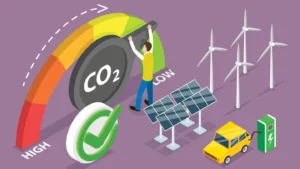

The global energy landscape is rapidly transforming, driven by the urgent need to address climate change and transition towards sustainable energy systems. This transformation is crucial to mitigating environmental impacts, ensuring energy security, and promoting economic growth. As such, governments, businesses, and communities worldwide are implementing a variety of energy transition strategies to build a sustainable future.
This article explores the top energy transition strategies that are essential for achieving a low-carbon future. These strategies encompass technological innovations, policy measures, and social initiatives that collectively aim to decarbonize the energy sector and enhance sustainability.
Renewable Energy Integration
At the heart of the energy transition is the shift from fossil fuels to renewable energy sources. Renewable energy integration involves the widespread adoption of technologies such as solar, wind, and hydroelectric power. These sources are abundant, clean, and increasingly cost-competitive, making them a cornerstone of sustainable energy systems.
Solar Power
Solar power has become one of the fastest-growing renewable energy sources due to its versatility and declining costs. The deployment of photovoltaic (PV) panels on rooftops, solar farms, and even floating solar installations is expanding globally. Innovative technologies, such as concentrated solar power (CSP), are further enhancing the efficiency and reliability of solar energy.
Wind Energy
Wind energy, both onshore and offshore, plays a vital role in the energy transition. Advances in turbine technology have increased the capacity and efficiency of wind farms, making them a competitive alternative to conventional power sources. Offshore wind farms, in particular, offer significant potential for harnessing strong, consistent winds and reducing land use conflicts.
Hydropower
Hydropower, the largest source of renewable electricity, continues to be a key component of the global energy mix. While large-scale hydropower projects face environmental and social challenges, small and micro-hydro installations offer sustainable solutions for local communities. Additionally, innovations in pumped storage and run-of-river systems are enhancing the flexibility and sustainability of hydropower.
Energy Efficiency and Demand Management
Improving energy efficiency and managing demand are critical strategies for reducing energy consumption and greenhouse gas emissions. By optimizing energy use, we can achieve significant reductions in carbon footprints without compromising economic growth or quality of life.
Building Efficiency
Buildings account for a substantial portion of energy consumption and emissions. Enhancing the energy efficiency of residential, commercial, and industrial buildings is essential for a sustainable future. Strategies include retrofitting existing structures with energy-efficient technologies, implementing green building standards, and promoting smart building solutions that optimize energy use through automation and data analytics.
Industrial Efficiency
Industries are major energy consumers, and improving their energy efficiency can yield substantial environmental and economic benefits. Advanced manufacturing technologies, process optimization, and waste heat recovery are among the strategies that industries can adopt to enhance energy efficiency. Additionally, implementing circular economy principles can reduce resource consumption and emissions.
Transport Efficiency
The transportation sector is a significant contributor to greenhouse gas emissions. Transitioning to more efficient modes of transport, such as electric vehicles (EVs), public transit, and non-motorized options like cycling and walking, is crucial. Investments in charging infrastructure, low-emission public transportation systems, and urban planning that prioritizes sustainable mobility can drive this transition.
Decentralized Energy Systems
Decentralized energy systems, also known as distributed energy resources (DERs), are transforming the way energy is generated and consumed. These systems offer flexibility, resilience, and local empowerment by enabling communities and individuals to produce and manage their own energy.
Microgrids
Microgrids are localized energy systems that can operate independently or in conjunction with the main grid. They integrate renewable energy sources, energy storage, and advanced control systems to provide reliable and resilient power. Microgrids are particularly valuable in remote or underserved areas, where they can enhance energy access and reduce dependence on fossil fuels.
Energy Storage
Energy storage technologies, such as batteries and thermal storage, are crucial for balancing supply and demand in decentralized systems. They enable the efficient use of intermittent renewable energy sources and provide backup power during outages. Continued advancements in storage technology and cost reductions are enhancing the viability of decentralized energy solutions.
Prosumers and Peer-to-Peer Energy Trading
The rise of prosumers—individuals or entities that both produce and consume energy—is reshaping energy markets. Prosumers can generate their own renewable energy and engage in peer-to-peer energy trading, facilitated by digital platforms and blockchain technology. This democratization of energy empowers consumers, fosters competition, and accelerates the transition to sustainable energy systems.
Policy and Regulatory Frameworks
Effective policy and regulatory frameworks are essential for driving the energy transition and facilitating the adoption of sustainable practices. Governments play a pivotal role in setting targets, incentivizing innovation, and ensuring a fair and equitable transition.
Renewable Energy Targets and Incentives
Governments worldwide are setting ambitious renewable energy targets to accelerate the transition. These targets are often supported by incentives such as tax credits, feed-in tariffs, and auctions that promote investment in renewable energy projects. By providing a stable policy environment, governments can attract private sector investment and foster innovation.
Carbon Pricing and Emissions Trading
Carbon pricing mechanisms, such as carbon taxes and emissions trading systems, are effective tools for reducing greenhouse gas emissions. By putting a price on carbon, these mechanisms encourage businesses to invest in cleaner technologies and practices. Revenue generated from carbon pricing can be reinvested in sustainable development initiatives.
Standards and Regulations
Implementing standards and regulations that mandate energy efficiency, reduce emissions, and promote sustainable practices is crucial. These measures can include building codes, vehicle emissions standards, and requirements for renewable energy integration. By setting clear and achievable targets, governments can drive industry compliance and innovation.
Social and Community Engagement
Successful energy transitions require the active engagement and participation of communities, businesses, and individuals. Social and community engagement ensures that the transition is inclusive, equitable, and reflective of local needs and priorities.
Community Energy Projects
Community energy projects empower local communities to take ownership of their energy resources, fostering social cohesion and economic development. These projects often involve cooperative models, where community members collectively invest in and benefit from renewable energy installations. Community energy initiatives can also enhance energy access and resilience in rural and underserved areas.
Education and Awareness
Raising awareness and educating the public about the benefits and opportunities of the energy transition is essential for garnering support and driving behavior change. Public campaigns, educational programs, and stakeholder engagement initiatives can build understanding and enthusiasm for sustainable energy solutions.
Just Transition
A just transition ensures that the shift towards sustainable energy is fair and inclusive, addressing the needs of workers and communities affected by the decline of fossil fuel industries. Policies that support retraining, job creation, and social protection can mitigate the social impacts of the transition and ensure that no one is left behind.
Conclusion
The transition to a sustainable energy future is both a significant challenge and an unprecedented opportunity. By implementing a diverse array of energy transition strategies, we can decarbonize the energy sector, enhance energy security, and promote sustainable economic growth.
Renewable energy integration, energy efficiency, decentralized systems, supportive policy frameworks, and community engagement are all essential components of a successful energy transition. By embracing these strategies, we can create a resilient and sustainable energy system that meets the needs of current and future generations while safeguarding our planet.