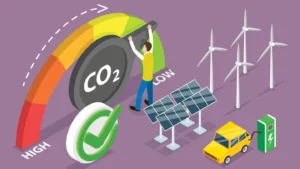

In the contemporary world, the energy debate is increasingly becoming a focal point of discussions surrounding climate change, economic stability, and technological advancement. At the heart of this debate lies the comparison between fossil fuels and renewable energy, two fundamentally different approaches to powering our planet. On one side, fossil fuels have been the cornerstone of industrial development for over a century, while on the other, renewable energy sources represent the future of sustainable development. This article delves into the ultimate showdown between these two energy paradigms, analyzing their respective advantages, disadvantages, and the implications for our future.
The Case for Fossil Fuels
Fossil fuels, including coal, oil, and natural gas, have been the backbone of global energy consumption since the Industrial Revolution. Their widespread use is attributed to several factors:
Energy Density and Reliability
Fossil fuels are known for their high energy density, meaning they contain a substantial amount of energy per unit of volume. This characteristic makes them highly efficient for transportation and industrial processes. Moreover, fossil fuel-based power plants can operate continuously, providing a reliable and stable energy supply, unlike some intermittent renewable sources.
Infrastructure and Technology
The existing global infrastructure is heavily dependent on fossil fuels. From power plants to refineries and distribution networks, decades of investment have established a robust system that supports fossil fuel usage. Additionally, the technology for extracting and utilizing fossil fuels is well-developed, offering cost-effective solutions compared to some emerging renewable technologies.
Economic Implications
The fossil fuel industry is a significant contributor to the global economy, providing millions of jobs and substantial government revenues through taxes and royalties. In many regions, the economic reliance on fossil fuel extraction and processing is deeply entrenched, making a swift transition challenging.
The Downside of Fossil Fuels
Despite their advantages, fossil fuels pose significant challenges, particularly concerning environmental sustainability:
Environmental Impact
The combustion of fossil fuels is a primary source of greenhouse gas emissions, contributing to climate change and global warming. The extraction and transportation processes also have detrimental effects on ecosystems, leading to habitat destruction, oil spills, and air and water pollution.
Finite Resources
Fossil fuels are finite resources; their reserves are depleting, leading to concerns about energy security and price volatility. As easily accessible reserves are exhausted, the industry must turn to more challenging and environmentally harmful extraction methods, such as deep-sea drilling and tar sands.
The Rise of Renewable Energy
Renewable energy sources, such as solar, wind, hydroelectric, and biomass, are increasingly being recognized for their potential to provide sustainable and clean energy solutions:
Environmental Benefits
Renewable energy sources produce little to no greenhouse gas emissions once operational, making them an attractive option for mitigating climate change. They harness natural processes that are continuously replenished, minimizing the ecological footprint associated with energy production.
Energy Independence and Security
By diversifying the energy mix and reducing reliance on imported fossil fuels, countries can enhance their energy security. Local renewable energy resources can decrease vulnerability to geopolitical tensions and market fluctuations that affect fossil fuel supply and pricing.
Technological Advancements
Recent advancements in technology have significantly reduced the cost of renewable energy production. Solar panel efficiency, wind turbine design, and energy storage capabilities have all improved, making renewables more competitive with traditional energy sources.
Challenges Facing Renewable Energy
Despite their potential, renewable energy sources face several challenges that must be addressed:
Intermittency and Storage
The generation of renewable energy is often subject to natural variability. Solar and wind power depend on weather conditions, leading to intermittency issues. Developing efficient energy storage solutions is crucial for ensuring a consistent energy supply.
Infrastructure and Initial Investment
Transitioning to renewable energy requires substantial upfront investments in infrastructure and technology. Building solar farms, wind turbines, and energy storage facilities demands significant capital, which can be a barrier to widespread adoption.
Balancing the Energy Equation
The transition from fossil fuels to renewable energy is not simply a matter of choice but a complex balancing act involving economic, environmental, and social factors:
Policy and Regulation
Government policies and regulations play a critical role in shaping the energy landscape. Incentives for renewable energy development, carbon pricing, and emissions regulations can accelerate the transition and level the playing field for renewables.
Public Perception and Acceptance
Public perception of energy sources influences policy decisions and investment. Educating the public about the benefits and challenges of both fossil fuels and renewables is essential for fostering acceptance and support for a sustainable energy transition.
Conclusion: The Path Forward
The ultimate showdown between fossil fuels and renewable energy is not a zero-sum game but an opportunity for synergy. A diverse energy portfolio that incorporates both traditional and renewable sources can ensure reliability, sustainability, and economic stability. As technology advances and societal priorities shift towards environmental stewardship, renewable energy is poised to play an increasingly dominant role in the global energy mix. However, the transition must be managed carefully to mitigate economic disruptions and ensure energy access for all. By harnessing the strengths of both fossil fuels and renewables, we can build a resilient and sustainable energy future.