
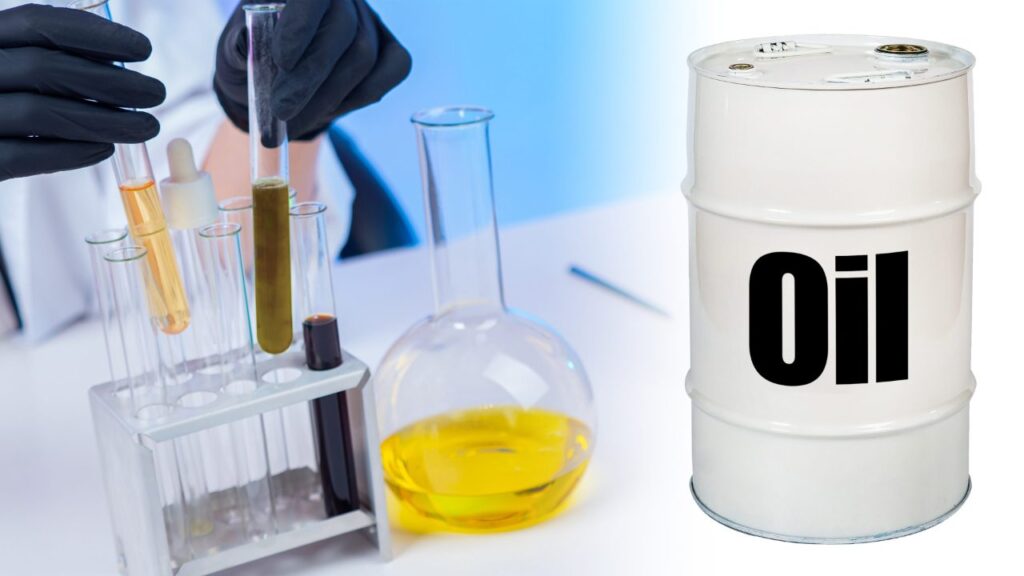
Petroleum, often referred to as crude oil, is one of the most critical natural resources in the modern world. It serves as the primary raw material for a wide range of products that are integral to industrial and domestic applications. This comprehensive guide explores the essential petroleum products, their applications, and their significance in various sectors.
Understanding Petroleum and Its Refinement
Petroleum is a complex mixture of hydrocarbons found beneath the Earth’s surface. The journey from crude oil to refined products involves several stages, including extraction, transportation, and refinement. Refining is the process of converting crude oil into useful products through various physical and chemical processes. The core objective of refining is to separate and purify hydrocarbons to produce fuels, lubricants, and other derivatives.
Key Petroleum Products and Their Applications
Gasoline
Gasoline is perhaps the most well-known petroleum product, serving as a primary fuel for vehicles. It powers internal combustion engines in cars, motorcycles, and light trucks. Gasoline is favored for its high energy content and ability to provide rapid acceleration. In addition to transportation, gasoline is occasionally used in small engines for lawn mowers, chainsaws, and generators.
Diesel Fuel
Diesel fuel is another critical petroleum product used predominantly in heavy-duty vehicles, such as trucks, buses, and construction machinery. Its higher energy density compared to gasoline makes it more efficient for engines requiring significant torque and power. Diesel is also the preferred fuel for marine vessels and some trains. Furthermore, diesel generators are widely used for electricity generation in remote areas.
Kerosene
Kerosene is a versatile petroleum product with applications ranging from heating to aviation. It serves as a heating fuel in residential and industrial settings and is also used in kerosene lamps for lighting. In the aviation industry, kerosene is the primary fuel for jet engines, known as jet fuel. Its stability and relatively low freezing point make it ideal for high-altitude flights.
Liquefied Petroleum Gas (LPG)
LPG, a mixture of propane and butane, is a widely used fuel in domestic and industrial settings. In households, it is commonly used for cooking and heating. Its clean-burning properties make it a popular choice for barbecues and portable heaters. In the industrial sector, LPG serves as a fuel for forklifts and other equipment. It is also used as a feedstock in the petrochemical industry.
Asphalt
Asphalt, also known as bitumen, is a heavy petroleum product used primarily in road construction and roofing. Its adhesive and waterproofing properties make it ideal for paving roads, highways, and airport runways. Asphalt is also used in the production of roof shingles and other waterproofing materials. The demand for asphalt is closely tied to infrastructure development and maintenance.
Petrochemical Feedstocks
Petrochemical feedstocks are the building blocks for a wide range of chemical products. Ethylene, propylene, benzene, and toluene are some of the key feedstocks derived from petroleum. These compounds are used to manufacture plastics, synthetic rubber, and fibers, which are essential in industries such as packaging, automotive, textiles, and electronics. The petrochemical industry is a vital link between petroleum refining and the production of consumer goods.
The Role of Lubricants and Greases
Lubricants and greases are crucial petroleum products used to reduce friction and wear in machinery. They are composed of base oils and additives that enhance performance and protect engine components. Lubricants are used in various applications, including automotive engines, industrial machinery, and hydraulic systems. Greases, which are semi-solid lubricants, are used in applications where liquid lubricant retention is challenging. Their role is vital in ensuring the smooth operation and longevity of mechanical systems.
The Environmental Impact of Petroleum Products
While petroleum products are indispensable in modern life, their use has significant environmental implications. The extraction, refining, and consumption of petroleum contribute to air and water pollution, greenhouse gas emissions, and habitat destruction. Oil spills and leaks pose severe risks to marine and terrestrial ecosystems. Consequently, there is a growing emphasis on sustainable practices, such as improving fuel efficiency, developing cleaner fuels, and advancing alternative energy sources.
Future Trends and Innovations in Petroleum Products
The petroleum industry is continuously evolving to meet changing demands and environmental challenges. Innovations in refining technology are aimed at improving efficiency, reducing emissions, and maximizing resource utilization. The development of biofuels and renewable energy sources is gaining momentum as part of global efforts to transition to a low-carbon future. Additionally, advancements in petrochemical processes are leading to the production of more sustainable materials, such as biodegradable plastics.
Conclusion
Petroleum products remain a cornerstone of modern society, fueling transportation, industry, and daily life. Understanding the diversity and applications of these essential products is crucial for appreciating their role in economic and technological advancement. As the world navigates toward a more sustainable future, balancing the benefits of petroleum products with environmental considerations will be key to ensuring a resilient and prosperous society.