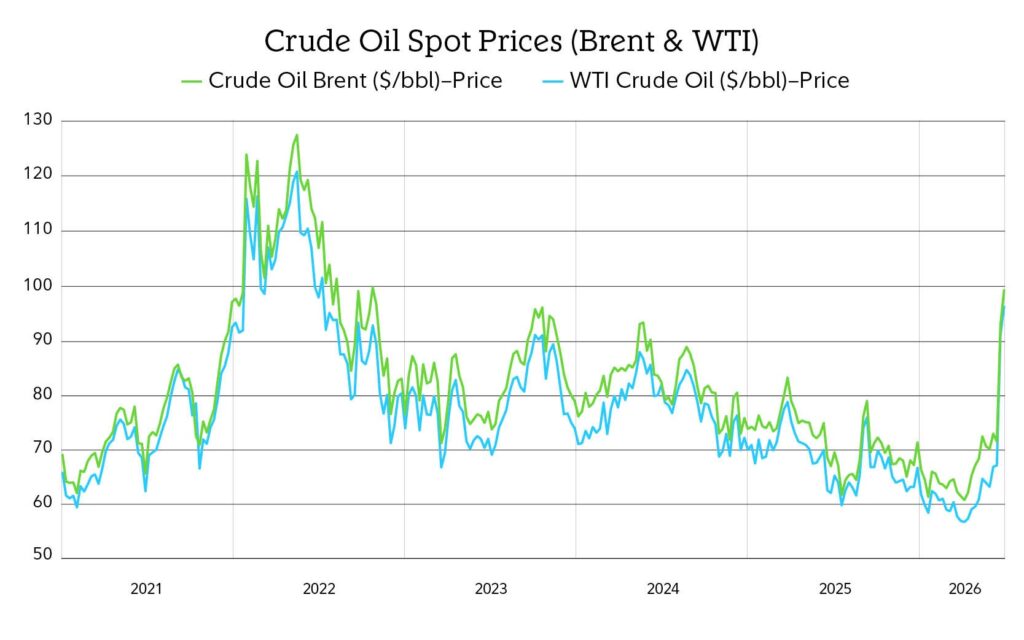
The roller-coaster ride of fuel prices continues to captivate the global economy, affecting everything from household budgets to international trade. As we delve into 2026, understanding the intricacies of fuel price fluctuations becomes crucial for stakeholders ranging from policymakers to consumers. This article aims to decode the factors influencing fuel prices, offering a comprehensive insight into the 2026 market landscape.
Global Economic Recovery and Demand Surge
The global economic recovery post-COVID-19 has played a pivotal role in shaping fuel price trends. As economies rebound, the demand for energy, including fuel, has surged. Emerging markets, particularly in Asia, have demonstrated significant economic growth, thereby increasing their fuel consumption. The International Energy Agency (IEA) projected a rise in global oil demand, with consumption expected to return to pre-pandemic levels by the end of 2026.
The demand surge has been further compounded by the return of international travel, as restrictions ease and airlines resume operations. This resurgence in air travel has increased jet fuel demand, contributing to upward pressure on prices. Additionally, as industries ramp up production to meet consumer demand, industrial fuel consumption has also witnessed an uptick.
Supply Chain Disruptions and Geopolitical Tensions
Supply chain disruptions continue to be a significant factor influencing fuel prices. The pandemic exposed vulnerabilities within global supply chains, and the subsequent recovery has been fraught with challenges. Port congestions, labor shortages, and logistical bottlenecks have hindered the smooth flow of crude oil and refined products, affecting supply dynamics.
Geopolitical tensions have also played a crucial role in shaping fuel prices. The Russia-Ukraine conflict, for instance, has had far-reaching implications on the global energy market. Sanctions on Russian oil exports and retaliatory measures have disrupted supply chains, leading to volatility in global oil prices. Similarly, tensions in the Middle East, a critical oil-exporting region, continue to influence market stability.
OPEC+ Production Strategies
The Organization of the Petroleum Exporting Countries (OPEC) and its allies, collectively known as OPEC+, wield considerable influence over global oil prices. In 2026, OPEC+ has maintained a cautious approach to production increases, balancing the need to support prices with the risk of oversupplying the market.
OPEC+’s production strategies have been characterized by measured increases, reflecting their commitment to stabilizing prices. The alliance’s ability to navigate the complexities of global oil demand and supply dynamics has been pivotal in maintaining market equilibrium. However, any deviation from their planned production targets could lead to significant price fluctuations.
Renewable Energy Transition
The global shift towards renewable energy sources has also impacted fuel price dynamics. As countries strive to meet their climate commitments, investments in renewable energy infrastructure have gained momentum. This transition, while reducing long-term dependency on fossil fuels, has created fluctuations in traditional fuel markets.
In the short term, the transition has led to reduced investments in oil exploration and production, constraining supply growth. However, the increasing adoption of electric vehicles (EVs) and advancements in battery technology are expected to gradually decrease oil demand, exerting downward pressure on prices in the long run.
Currency Exchange Rates and Inflation
Currency exchange rates and inflation are critical factors influencing fuel prices. In 2026, fluctuations in major currencies, particularly the US dollar, have impacted oil prices. Since oil is traded globally in US dollars, any depreciation or appreciation of the dollar directly affects the purchasing power of countries dependent on oil imports.
Inflationary pressures, driven by rising commodity prices and supply chain disruptions, have also contributed to fuel price volatility. Higher inflation erodes consumer purchasing power, leading to changes in demand patterns and influencing market dynamics.
Technological Advancements and Market Speculation
Technological advancements in oil extraction and refining processes have influenced fuel prices. Innovations such as hydraulic fracturing and deep-sea drilling have increased the accessibility of oil reserves, impacting supply dynamics. However, these advancements also require substantial investments, which can affect production costs and ultimately, market prices.
Market speculation remains a significant driver of fuel price fluctuations. Traders’ perceptions of future supply and demand conditions can lead to price volatility. Speculative trading often amplifies market movements, contributing to short-term price spikes or drops.
Conclusion
Decoding fuel price fluctuations in 2026 requires a comprehensive understanding of the interplay between global economic recovery, supply chain dynamics, geopolitical tensions, and the renewable energy transition. OPEC+ production strategies, currency exchange rates, and technological advancements further add layers of complexity to the market landscape. As stakeholders navigate this intricate web of factors, staying informed and adaptable becomes imperative in mitigating the impact of fuel price volatility.
Understanding these dynamics allows businesses and consumers to make informed decisions, whether it be strategic investments, budgeting, or policy formulation. As the world continues to evolve, so too will the forces shaping fuel prices, making ongoing analysis and adaptation essential for thriving in this ever-changing landscape.