The oil and gas industry stands as a cornerstone of global energy supply, driving economies and shaping geopolitical landscapes. At the heart of this industry lies the complex and multifaceted process of oil production. From exploration to extraction, and refinement to distribution, each phase is a testament to technological prowess and strategic planning. This article delves into the intricacies of the oil production process, unraveling the steps and technologies that bring this precious resource from beneath the earth to the surface and eventually to consumers worldwide.
Exploration: The Quest for Black Gold
Oil production begins with exploration, a high-stakes venture that combines geological science with cutting-edge technology. Geologists and geophysicists play a crucial role in identifying potential oil reserves. They utilize a variety of methods, including seismic surveys, magnetic surveys, and gravity surveys, to map and analyze subsurface formations. Seismic surveys, in particular, are pivotal; they involve sending shock waves into the ground and measuring the reflected waves to create detailed images of subsurface structures.
Once promising sites are identified, exploration drilling commences. This phase involves drilling exploratory wells, also known as wildcat wells, to determine the presence and viability of oil reserves. The success of this phase hinges on the accuracy of geological assessments and the efficiency of drilling operations.
Drilling: Penetrating the Earth’s Secrets
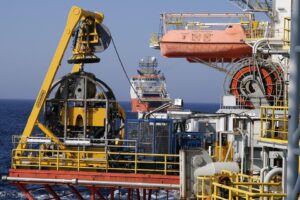
Drilling is the next critical step in the oil production process. It involves the use of advanced drilling rigs to penetrate the earth’s crust and access oil reservoirs. The choice of drilling technique—whether rotary drilling, directional drilling, or horizontal drilling—depends on the geological characteristics of the site and the location of the oil deposits.
Modern drilling operations are highly sophisticated, incorporating technologies like measurement-while-drilling (MWD) and logging-while-drilling (LWD) to provide real-time data on the wellbore conditions and surrounding formations. These technologies enhance precision and efficiency, reducing the risk of costly errors and increasing the likelihood of successful extraction.
Extraction: Bringing Oil to the Surface
Once a well is drilled and confirmed viable, the extraction phase begins. This stage involves bringing the oil to the surface, a process that can vary significantly depending on the reservoir’s characteristics. Primary recovery methods rely on the natural pressure of the reservoir to push oil to the surface. However, as pressure decreases, secondary and tertiary recovery methods are employed.
Secondary Recovery
Secondary recovery involves the injection of water or gas into the reservoir to maintain pressure and enhance oil flow. Water flooding and gas injection are common techniques used to sustain production levels.
Tertiary Recovery
Tertiary recovery, also known as enhanced oil recovery (EOR), involves more advanced techniques such as thermal recovery, chemical flooding, and gas injection. These methods aim to alter the chemical and physical properties of the oil to increase its flow rate and extraction efficiency.
Refinement: Transforming Crude Oil into Valuable Products
Once extracted, crude oil undergoes a refining process to convert it into valuable products such as gasoline, diesel, jet fuel, and petrochemicals. Refineries are complex industrial facilities that use a combination of physical and chemical processes to separate and transform crude oil components.
Distillation
The refining process begins with distillation, where crude oil is heated in a distillation column, causing it to separate into various fractions based on boiling points. These fractions include gases, naphtha, kerosene, and heavier oils.
Catalytic Cracking and Reforming
Catalytic cracking and reforming are subsequent processes that break down heavier fractions into lighter, more valuable products. Catalysts are used to facilitate chemical reactions that convert larger hydrocarbons into smaller, more useful molecules.
Hydrotreating and Blending
Hydrotreating processes remove impurities such as sulfur and nitrogen from the oil fractions, ensuring compliance with environmental standards. Finally, blending combines refined products to create specific fuel grades and other end products.
Transportation and Distribution: Delivering Oil to the World
The journey from well to consumer involves a vast and intricate transportation and distribution network. Crude oil and refined products are transported via pipelines, tankers, and trucks to reach refineries, storage facilities, and end users.
Pipelines are the most efficient means of transporting large volumes of oil over land, while tankers are essential for overseas transport. The logistics involved in oil transportation require meticulous planning to ensure safety, efficiency, and environmental compliance.
Environmental and Safety Considerations
Oil production, while essential to modern society, poses significant environmental and safety challenges. The industry is under constant scrutiny to minimize its ecological footprint and ensure the safety of its operations.
Technological advancements have led to more environmentally friendly practices, such as improved spill prevention systems, better waste management, and the development of cleaner production techniques. Regulatory frameworks and international agreements play a crucial role in enforcing environmental standards and promoting sustainable practices within the industry.
Conclusion
The oil production process is a testament to human ingenuity and technological prowess. From exploration and drilling to extraction and refinement, each phase is a complex interplay of science, engineering, and strategy. As the world transitions towards cleaner energy sources, the oil industry continues to innovate, striving to balance its role in global energy supply with environmental responsibility. Understanding the intricacies of oil production not only highlights the challenges faced by the industry but also underscores its critical importance to the global economy and society at large.