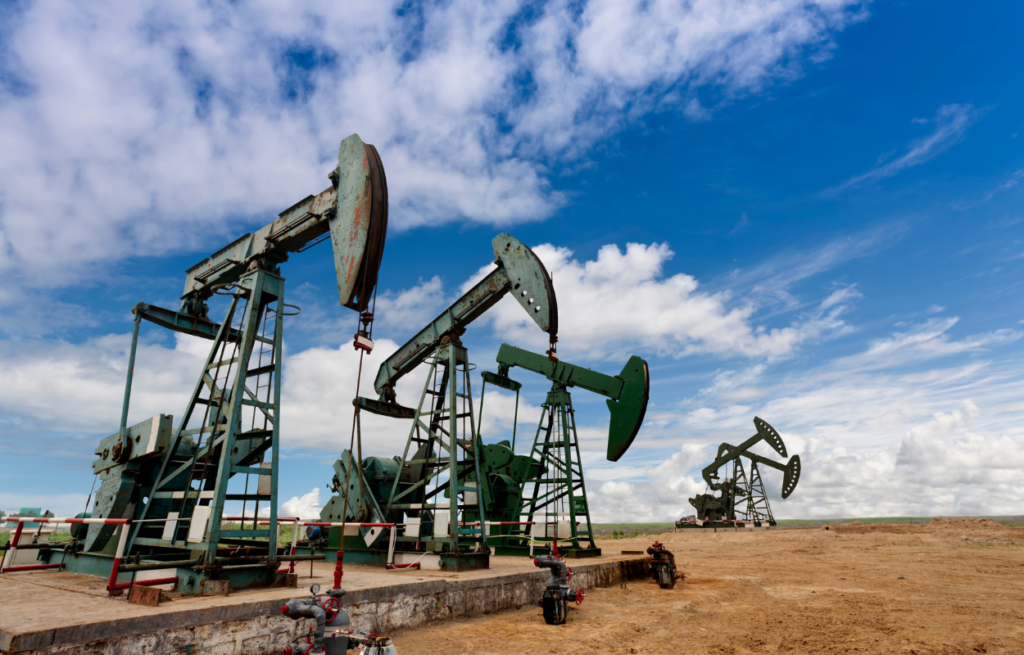
The oil and gas industry has long been the backbone of global energy supply, fueling economies and driving technological advancements. However, as the demand for energy continues to rise, so does the need for more efficient and sustainable exploration methods. Traditional oil exploration techniques, while effective, are now being supplemented and sometimes replaced by innovative technologies that aim to maximize resource extraction while minimizing environmental impact. This article delves into some of the cutting-edge techniques revolutionizing oil exploration today.
Seismic Imaging Advancements
Seismic imaging has always been a cornerstone of oil exploration, providing critical subsurface insights. Recent advancements have significantly enhanced its accuracy and resolution. One such innovation is the use of Full-Waveform Inversion (FWI). This technique integrates more detailed seismic data to create highly accurate 3D models of the subsurface. By simulating how seismic waves propagate through the earth, FWI helps in understanding complex geological formations, reducing the risk of dry wells and optimizing drilling strategies.
Enhanced 4D Seismic Monitoring
Another leap forward is 4D seismic monitoring, which incorporates time as the fourth dimension. This technology allows for the tracking of reservoir changes over time, providing valuable insights into fluid movement and pressure variations. By continuously monitoring these dynamics, oil companies can optimize production strategies, enhance recovery rates, and prolong the lifespan of reservoirs.
Advanced Drilling Technologies
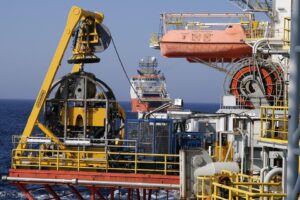
The drilling process itself has seen remarkable innovations aimed at increasing precision and efficiency. One such technology is Managed Pressure Drilling (MPD). This technique allows for better control of wellbore pressure, reducing the risk of blowouts and enabling drilling in challenging environments. MPD is particularly valuable in deepwater and ultra-deepwater operations where pressure anomalies are common.
Rotary Steerable Systems
Rotary Steerable Systems (RSS) have also transformed directional drilling. These systems enable precise control of the drill bit’s direction without the need to stop and manually adjust the drill assembly. This real-time steering capability enhances wellbore placement accuracy, reduces drilling time, and minimizes costs.
Machine Learning and Big Data Analytics
The integration of machine learning and big data analytics has brought a data-driven approach to oil exploration. By analyzing vast amounts of geological and operational data, machine learning algorithms can identify patterns and predict the best drilling locations with greater accuracy. This predictive capability reduces exploration risks and improves resource estimation.
Real-time Data Processing
The ability to process data in real-time has become a game-changer for the industry. Real-time data analysis allows for immediate decision-making, optimizing drilling operations and reducing downtime. This capability is particularly crucial in offshore operations where delays can be costly.
Remote Sensing and Satellite Technology
Remote sensing and satellite technologies have opened new frontiers in oil exploration. These technologies provide valuable data for identifying potential hydrocarbon-rich areas. High-resolution satellite imagery can reveal surface anomalies indicative of underlying oil and gas deposits, guiding further exploration efforts.
Electromagnetic Surveys
Electromagnetic (EM) surveys offer another non-invasive method for exploring oil reserves. By measuring the earth’s natural electromagnetic fields, these surveys can detect variations caused by hydrocarbon deposits. EM surveys are especially useful in offshore environments where traditional seismic methods may be less effective.
Environmental Considerations and Sustainability
As the oil and gas industry adopts new technologies, environmental sustainability has become a central focus. Innovative exploration techniques are designed to minimize environmental impact, aligning with global efforts to reduce carbon emissions and protect ecosystems.
Carbon Capture and Storage (CCS)
Many oil companies are investing in Carbon Capture and Storage (CCS) technologies to mitigate the environmental impact of their operations. By capturing CO2 emissions from exploration activities and storing them underground, companies can reduce their carbon footprint and contribute to global climate goals.
Conclusion
The oil and gas industry is undergoing a transformation driven by innovative exploration techniques. From advanced seismic imaging and drilling technologies to machine learning and remote sensing, these innovations are enhancing efficiency, reducing risks, and promoting sustainability. As the industry continues to evolve, embracing these technologies will be crucial in meeting the global energy demand while minimizing environmental impact. The future of oil exploration lies in the synergy between technological advancement and sustainable practices, paving the way for a more resilient and responsible energy sector.
References
While this article provides a comprehensive overview, further reading and detailed case studies can be found in industry publications, academic journals, and reports by energy think tanks. The continuous evolution of technology and its applications in the oil and gas industry make it an exciting field for ongoing research and exploration.