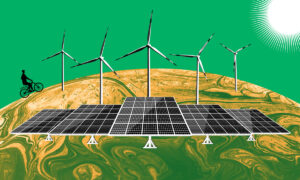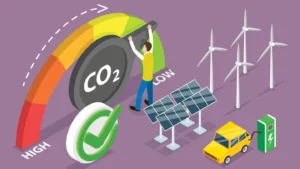
As the world grapples with the escalating climate crisis, the transition towards clean energy solutions is no longer a choice but a necessity. The shift from fossil fuels to renewable energy sources is imperative for reducing greenhouse gas emissions and ensuring a sustainable future. In this article, we will explore some of the top clean energy solutions available today that are revolutionizing the way we produce and consume energy.
Solar Energy
Solar energy is at the forefront of the clean energy revolution. Harnessing the power of the sun, solar panels convert sunlight into electricity, providing a sustainable and renewable energy source. The technology has seen significant advancements over the last decade, making it more efficient and affordable for consumers and businesses alike.
Photovoltaic Cells
Photovoltaic (PV) cells are the cornerstone of solar power technology. These cells are made from semiconductor materials, such as silicon, that generate electricity when exposed to sunlight. Recent innovations have improved the efficiency of PV cells, resulting in higher energy output even under low-light conditions.
Concentrated Solar Power
Concentrated Solar Power (CSP) systems use mirrors or lenses to focus a large area of sunlight onto a small area. The concentrated light is converted into heat, which drives a heat engine connected to an electrical power generator. CSP technology is particularly effective for large-scale solar power plants and can store energy for use when the sun is not shining.
Wind Energy
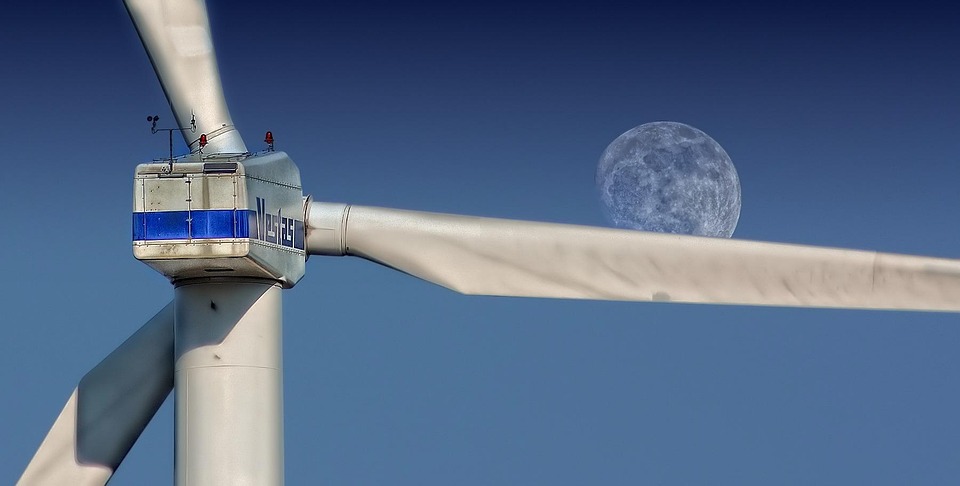
Wind energy is one of the fastest-growing renewable energy sources globally. It harnesses the kinetic energy of wind through turbines to generate electricity. Wind farms can be located on land (onshore) or in bodies of water (offshore), with each offering distinct advantages.
Onshore Wind Farms
Onshore wind farms are commonly found in rural or open areas where wind speeds are optimal. These installations play a crucial role in diversifying energy portfolios and reducing reliance on fossil fuels. Technological advancements have led to the development of larger and more efficient turbines, increasing the viability of onshore wind energy.
Offshore Wind Farms
Offshore wind farms have the potential to generate large amounts of energy due to consistent and stronger wind speeds found over oceans and seas. These installations can be more expensive to build and maintain, but their higher energy output often offsets the initial costs. The development of floating wind turbines is expanding the potential for offshore wind farms in deeper waters.
Hydropower
Hydropower, or hydroelectric power, utilizes the energy of moving water to generate electricity. It is one of the oldest and most reliable forms of renewable energy, providing a significant portion of the world’s electricity supply.
Conventional Hydropower
Conventional hydropower plants use dams to store water in a reservoir. When released, the water flows through turbines, generating electricity. This method allows for the storage and controlled release of energy, making it a flexible and reliable power source.
Run-of-River Systems
Run-of-river systems generate electricity without the need for large reservoirs. Instead, they divert a portion of a river’s flow through a turbine before returning it to the river. These systems have a lower environmental impact compared to conventional hydropower and are suitable for locations where large dams are not feasible.
Geothermal Energy
Geothermal energy taps into the natural heat produced by the Earth’s core. This clean energy source is both sustainable and reliable, offering a constant power supply regardless of weather conditions.
Geothermal Power Plants
Geothermal power plants use steam produced from reservoirs of hot water found beneath the Earth’s surface to drive turbines and generate electricity. These plants are typically located in regions with significant geothermal activity, such as Iceland, New Zealand, and parts of the United States.
Geothermal Heat Pumps
Geothermal heat pumps (GHPs) are used for heating and cooling buildings. They tap into the stable temperatures found a few feet below the Earth’s surface to provide efficient temperature regulation. GHPs are increasingly popular in residential and commercial applications due to their energy efficiency and low environmental impact.
Biomass Energy
Biomass energy is derived from organic materials, such as plant and animal waste, that can be converted into electricity, heat, or biofuels. This renewable energy source can help reduce waste and lower greenhouse gas emissions.
Biopower
Biopower plants burn biomass directly or convert it into biogas through anaerobic digestion to produce electricity. These plants can utilize a wide range of organic materials, including agricultural residues, forestry by-products, and municipal waste, making them a versatile energy solution.
Biofuels
Biofuels, such as ethanol and biodiesel, are produced from biomass and can be used as alternatives to traditional fossil fuels. They offer a cleaner burning option for transportation and can be produced from a variety of feedstocks, including corn, sugarcane, and algae.
Hydrogen Energy
Hydrogen energy is gaining traction as a clean fuel alternative with the potential to decarbonize various sectors, including transportation, industry, and power generation. When used in fuel cells, hydrogen combines with oxygen to produce electricity, with water vapor as the only byproduct.
Green Hydrogen
Green hydrogen is produced through the electrolysis of water using renewable energy sources. This process is emissions-free and offers a sustainable method of hydrogen production. Green hydrogen has the potential to play a significant role in meeting the world’s energy needs without contributing to climate change.
Hydrogen Fuel Cells
Hydrogen fuel cells generate electricity through an electrochemical reaction between hydrogen and oxygen. They are highly efficient and produce zero emissions, making them ideal for use in vehicles, backup power systems, and portable power applications.
Energy Storage Solutions
The intermittent nature of some renewable energy sources, such as solar and wind, necessitates the development of efficient energy storage solutions. These technologies ensure a stable and reliable energy supply, even when the sun isn’t shining or the wind isn’t blowing.
Batteries
Lithium-ion batteries are currently the most widely used technology for energy storage. They offer high energy density and long cycle life, making them ideal for applications ranging from electric vehicles to grid storage. Continued advancements are focused on improving battery efficiency, longevity, and recycling processes.
Pumped Hydro Storage
Pumped hydro storage is an established method of storing large amounts of energy. It involves pumping water from a lower reservoir to an upper reservoir during periods of low energy demand. When demand increases, the stored water is released to generate electricity. This technology provides a cost-effective and reliable means of energy storage.
Conclusion
The transition to clean energy solutions is crucial for addressing climate change and ensuring a sustainable future. Innovations in solar, wind, hydropower, geothermal, biomass, hydrogen, and energy storage technologies are paving the way for a cleaner, more sustainable energy landscape. By investing in and adopting these solutions, we can revolutionize our energy systems and create a more resilient and sustainable world for future generations.