
The world as we know it runs predominantly on energy, and a significant portion of that energy is derived from petroleum. Over the years, the petroleum industry has evolved tremendously, transitioning from a simple extraction and consumption model to a more refined, sophisticated, and efficient operation. Refined petroleum products have become integral to numerous industries, revolutionizing everything from transportation to manufacturing. This article explores the vast potential of refined petroleum products, examining their applications, innovations, and the role they play in shaping the future.
The Refinement Process: Transforming Crude Oil
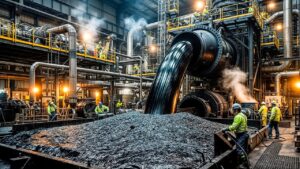
At the heart of the petroleum industry lies the complex process of refining, which transforms crude oil into valuable products. Crude oil, in its natural state, is a mixture of various hydrocarbons and impurities. Refinement is the process that segregates these components through distillation, cracking, reforming, and treating. The primary goal is to convert crude oil into usable products such as gasoline, diesel, kerosene, jet fuel, lubricants, and other petrochemicals. Each refined product has specific properties and uses, tailored to meet the demands of modern society.
Gasoline: The Lifeline of Transportation
Gasoline is arguably one of the most well-known refined petroleum products. It serves as the primary fuel for vehicles worldwide, powering internal combustion engines. Its high energy density and ease of transport have made gasoline indispensable. However, the potential of gasoline extends beyond fueling cars. Innovations in fuel additives and octane enhancement have led to cleaner combustion, reducing emissions and improving engine efficiency. As we move towards sustainable energy solutions, the role of gasoline is being reevaluated, with an emphasis on developing cleaner, alternative fuels such as ethanol-blended gasoline.
Diesel: Powering Heavy Industry
Diesel, another critical refined petroleum product, is known for its high efficiency and energy output. It is the preferred choice for heavy-duty vehicles, trains, ships, and industrial machinery. The diesel engine’s robustness and fuel economy make it ideal for applications requiring high torque and durability. Recent advancements in diesel technology, including the development of ultra-low sulfur diesel (ULSD) and biodiesel blends, have significantly reduced the environmental impact, showcasing the industry’s commitment to sustainability.
Jet Fuel: Enabling Global Connectivity
Jet fuel, primarily kerosene-based, is essential for the aviation industry, enabling global connectivity and fostering economic growth. The aviation sector’s reliance on jet fuel is unmatched, as it offers the energy density necessary to power long-haul flights. As airlines and manufacturers seek to minimize their carbon footprint, research into biofuels and synthetic alternatives is gaining momentum. The potential for sustainable aviation fuel (SAF) to replace conventional jet fuel could revolutionize the industry, reducing emissions and promoting greener air travel.
Lubricants: Enhancing Machinery Efficiency
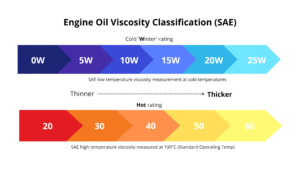
Beyond fuels, refined petroleum products include lubricants, which play a crucial role in reducing friction and wear in machinery. Lubricants are essential for the smooth operation of engines, hydraulic systems, and industrial equipment. The development of high-performance synthetic lubricants has extended the lifespan of machinery, increased efficiency, and reduced maintenance costs. Innovations in lubricant technology continue to unlock new possibilities, such as self-healing lubricants and those with enhanced thermal stability, contributing to the longevity and reliability of modern machinery.
Petrochemicals: The Building Blocks of Modern Life
Petrochemicals, derived from refined petroleum, are the building blocks of countless products we use daily. From plastics and pharmaceuticals to fertilizers and textiles, petrochemicals are integral to the manufacturing sector. The versatility and adaptability of petrochemicals have driven innovation in materials science, leading to the development of lightweight composites, biodegradable plastics, and advanced polymers. These advancements are pivotal in addressing environmental challenges and paving the way for a more sustainable future.
Environmental Considerations and Innovations
The petroleum industry is often scrutinized for its environmental impact, particularly concerning greenhouse gas emissions and pollution. However, significant strides have been made to mitigate these concerns. Innovations in refining technology, such as carbon capture and storage (CCS), have contributed to reducing emissions. Additionally, the development of cleaner refining processes and the implementation of stringent environmental regulations have improved the industry’s sustainability. The push towards renewable energy sources and the integration of circular economy principles are further driving the transition towards a greener future.
The Future of Refined Petroleum Products
As the world moves towards decarbonization, the future of refined petroleum products is poised for transformation. The petroleum industry is investing in research and development to discover sustainable alternatives and improve existing products. The rise of electric vehicles (EVs) and renewable energy sources is reshaping the landscape, prompting a reevaluation of traditional fuels’ roles. However, the versatility and adaptability of refined petroleum products ensure they will continue to play a pivotal role in meeting global energy demands.
Conclusion
Refined petroleum products have been the backbone of industrial and economic development for over a century. Their versatility and widespread applications have unlocked immense potential, driving innovation and progress across industries. As we navigate the challenges of climate change and sustainability, the petroleum industry is evolving, embracing cleaner technologies and sustainable practices. By unlocking the potential of refined petroleum products, we can continue to drive growth, improve efficiency, and safeguard the environment for future generations.