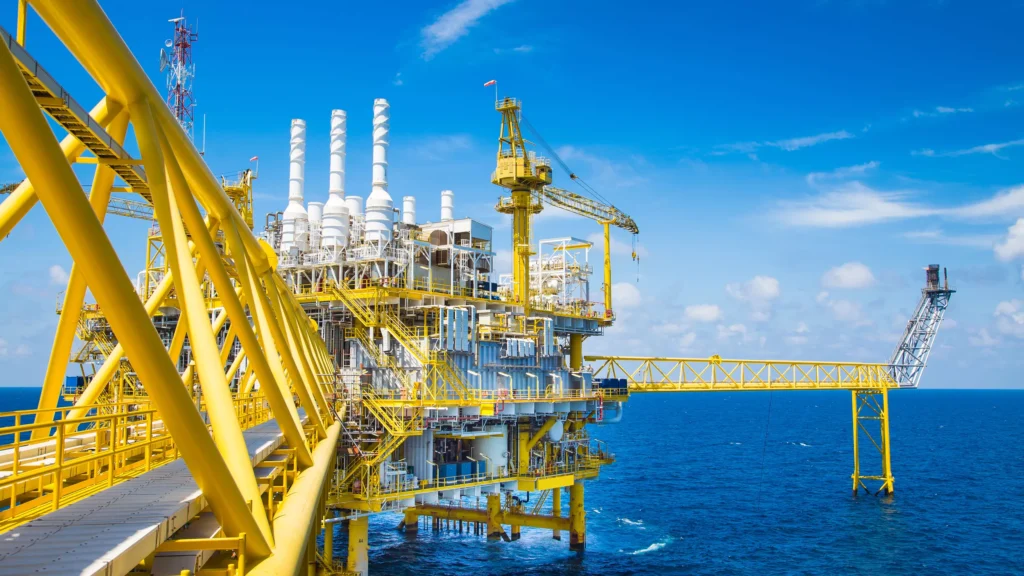
Offshore drilling has long been a cornerstone of the global energy supply, tapping into vast underwater oil and gas reserves that fuel economies worldwide. However, the industry faces numerous challenges, including environmental concerns, safety risks, and the need for cost efficiency. In recent years, cutting-edge technologies have begun to revolutionize offshore drilling, addressing these challenges and paving the way for a more sustainable and efficient future. This article explores the innovative technologies transforming the offshore drilling landscape and their potential impact on the industry.
Advancements in Drilling Technology
Automated Drilling Systems
Automation is at the forefront of technological advancements in offshore drilling. Automated drilling systems (ADS) leverage robotics, artificial intelligence (AI), and machine learning to enhance precision and efficiency. These systems can perform repetitive tasks with minimal human intervention, reducing the likelihood of human error and enhancing safety. Moreover, ADS can optimize drilling parameters in real-time, improving wellbore quality and reducing non-productive time (NPT).
Directional Drilling and Geosteering
Directional drilling technologies have evolved significantly, enabling operators to drill wells with greater accuracy and efficiency. Geosteering, a technique that integrates real-time data from downhole sensors, allows drillers to adjust the well trajectory dynamically. This ensures optimal placement within the reservoir, maximizing hydrocarbon recovery while minimizing environmental impact. Advances in rotary steerable systems (RSS) and measurement-while-drilling (MWD) technologies have further enhanced the capabilities of directional drilling.
Managed Pressure Drilling (MPD)
Managed Pressure Drilling (MPD) is a sophisticated technique that allows operators to maintain precise control over wellbore pressure. By dynamically adjusting the mud weight and backpressure, MPD minimizes the risk of well control incidents, such as kicks and blowouts. This technology is particularly useful in challenging environments with narrow pressure windows, where traditional drilling methods may pose significant risks. MPD not only improves safety but also enhances drilling efficiency by reducing NPT associated with wellbore instability.
Subsea Innovations
Subsea Robotics and Remote Operations
The deployment of subsea robotics and remotely operated vehicles (ROVs) has revolutionized offshore drilling and production operations. ROVs equipped with advanced sensors and manipulator arms can perform complex tasks, such as inspecting and repairing subsea infrastructure, without the need for human divers. This not only enhances safety but also reduces operational costs. Additionally, advancements in autonomous underwater vehicles (AUVs) allow for continuous monitoring of subsea assets, providing valuable data for predictive maintenance and optimizing production.
Subsea Processing Technologies
Subsea processing technologies are transforming the way offshore fields are developed and operated. These technologies enable the separation and treatment of produced fluids at the seabed, reducing the need for topside processing facilities. Subsea processing can enhance production efficiency, extend the life of mature fields, and facilitate the development of deepwater reserves that were previously considered uneconomical. Key components of subsea processing systems include subsea separators, pumps, and compressors, which are designed to withstand harsh underwater conditions.
Data-Driven Decision Making
Big Data and Predictive Analytics
The integration of big data and predictive analytics is reshaping offshore drilling operations. By harnessing the power of data, operators can make informed decisions that optimize drilling performance and reduce downtime. Predictive analytics models can identify potential equipment failures before they occur, enabling proactive maintenance and minimizing costly disruptions. Furthermore, data-driven insights can enhance reservoir management, improve production forecasting, and support strategic decision-making across the entire value chain.
Digital Twin Technology
Digital twin technology is revolutionizing the way offshore assets are managed. A digital twin is a virtual replica of a physical asset, such as a drilling rig or subsea infrastructure, that simulates real-time operations. By leveraging sensor data and advanced modeling techniques, digital twins provide a comprehensive view of asset performance, enabling operators to optimize processes, reduce risk, and enhance safety. Digital twins can also facilitate remote collaboration and training, improving operational efficiency across geographically dispersed teams.
Environmental and Safety Considerations
Reducing Environmental Impact
As environmental concerns continue to gain prominence, the offshore drilling industry is under pressure to minimize its ecological footprint. Cutting-edge technologies are playing a crucial role in achieving this goal. For instance, the use of eco-friendly drilling fluids and biodegradable materials helps reduce the environmental impact of drilling operations. Additionally, advancements in leak detection and containment technologies ensure rapid response to potential spills, mitigating environmental damage.
Enhancing Safety Standards
Safety remains a top priority for the offshore drilling industry, and technological innovations are bolstering safety standards. Advanced monitoring systems equipped with sensors and cameras provide real-time data on equipment conditions, enabling early detection of anomalies and preventing accidents. Furthermore, virtual reality (VR) and augmented reality (AR) technologies are being used for training purposes, allowing workers to practice emergency scenarios in a controlled environment. These technologies enhance preparedness and reduce the likelihood of accidents.
Conclusion
The offshore drilling industry is undergoing a transformative shift, driven by cutting-edge technologies that enhance efficiency, safety, and sustainability. From automated drilling systems and subsea robotics to data-driven decision-making and environmental innovations, these technologies are revolutionizing the way offshore operations are conducted. As the industry continues to evolve, embracing these advancements will be crucial for operators seeking to remain competitive in an increasingly complex and environmentally conscious landscape. By harnessing the power of technology, the offshore drilling sector can unlock new opportunities and ensure a sustainable energy future for generations to come.