
The oil and gas industry is a complex and dynamic sector that is divided into three main segments: upstream, midstream, and downstream. Each of these segments plays a crucial role in the exploration, production, transportation, and refining of oil and natural gas. Mastering strategies in each of these segments is essential for companies looking to optimize their operations, reduce costs, and maximize profits. This article delves into the intricacies of each segment and explores strategies that can drive success in the oil and gas industry.
Understanding the Upstream Segment
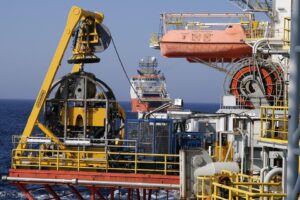
Upstream activities involve the exploration and production of oil and gas. This segment is often referred to as the exploration and production (E&P) sector. The primary focus is on discovering new oil and gas reserves and bringing them to the surface. Given the high-risk, high-reward nature of upstream activities, companies in this segment need to adopt robust strategies to mitigate risks and enhance returns.
Exploration Strategies
Exploration is the first step in the upstream process. Companies must invest in advanced geological and geophysical technologies to improve their chances of discovering viable reserves. This includes the use of seismic surveys and data analytics to better understand subsurface formations. Strategic partnerships and joint ventures can also spread risk and share the financial burden of exploration.
Production Optimization
Once reserves are discovered, the focus shifts to production. Enhancing production efficiency is critical for maximizing output and minimizing costs. Companies can leverage enhanced oil recovery (EOR) techniques, such as water flooding and gas injection, to boost recovery rates. Digital technologies, including IoT and AI, can be employed to monitor equipment and optimize production processes in real-time.
The Midstream Segment
The midstream segment involves the transportation, storage, and wholesale marketing of crude oil and natural gas. This segment serves as a bridge between the upstream and downstream sectors, ensuring that resources are efficiently moved from production sites to refineries and distribution centers. Effective midstream strategies are crucial for maintaining supply chain stability and reducing bottlenecks.
Infrastructure Development
Building and maintaining robust infrastructure is a cornerstone of midstream operations. This includes pipelines, storage facilities, and terminals. Companies must invest in infrastructure that can handle fluctuating demand and supply levels while ensuring environmental compliance. Strategic planning and investment in technology can help prevent leaks and spills, thereby minimizing environmental impact.
Logistics and Supply Chain Management
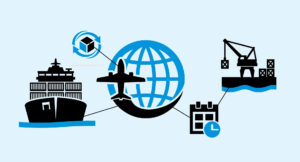
Efficient logistics are vital for the seamless movement of oil and gas. Companies need to implement advanced logistics management systems to track shipments and optimize routes. Collaboration with third-party logistics providers can offer additional flexibility and expertise. By utilizing predictive analytics, companies can forecast demand and adjust logistics operations accordingly, ensuring timely delivery and reducing costs.
The Downstream Segment
The downstream segment focuses on refining crude oil into usable products such as gasoline, diesel, and petrochemicals, as well as the marketing and distribution of these products. Downstream operations are crucial for meeting consumer demand and generating revenue. Companies in this segment must adopt strategies that enhance refining efficiency and product distribution.
Refining Efficiency
Refining processes must be optimized to maximize yield and minimize energy consumption. Companies can achieve this by adopting advanced refining technologies and process automation. Continuous monitoring and maintenance of equipment are essential for preventing downtime and ensuring safety. Furthermore, investing in research and development can lead to innovations in refining processes, enabling the production of higher-quality products.
Marketing and Distribution
Successful marketing and distribution strategies are key to capturing market share and driving sales. Companies should develop strong branding and marketing campaigns that resonate with consumers. Building a robust distribution network, including retail outlets and partnerships with distributors, ensures that products are readily available to consumers. Additionally, adopting digital marketing techniques can enhance customer engagement and loyalty.
Integrated Strategies Across Segments
While each segment of the oil and gas industry has its unique challenges and opportunities, an integrated approach can provide significant advantages. Companies that successfully align their upstream, midstream, and downstream strategies can achieve greater operational efficiency and profitability.
Technology Integration
The integration of technology across segments can streamline operations and enhance decision-making. Implementing a unified data management system allows for better communication and coordination between teams. Technologies such as blockchain can improve transparency and traceability across the supply chain. By leveraging digital tools, companies can enhance overall operational efficiency and reduce costs.
Environmental and Social Responsibility
Environmental and social responsibility should be integrated into the strategic planning of each segment. Companies must adopt sustainable practices, such as reducing emissions and investing in renewable energy sources. Engaging with local communities and stakeholders is essential for building trust and ensuring long-term success. Adhering to environmental regulations and promoting social responsibility can enhance a company’s reputation and lead to competitive advantages.
Conclusion
Mastering strategies in the upstream, midstream, and downstream segments of the oil and gas industry is essential for companies looking to thrive in a competitive and ever-evolving market. By focusing on exploration and production optimization, infrastructure development, refining efficiency, and marketing, companies can enhance their operations and maximize profitability. An integrated approach that leverages technology and emphasizes environmental and social responsibility can further drive success and ensure a sustainable future for the oil and gas industry.