In recent years, the energy landscape has undergone a significant transformation. The transition from traditional fossil fuels to more sustainable and efficient energy systems is driven by the urgent need to address climate change, reduce carbon emissions, and meet the growing global demand for electricity. At the forefront of this transformation are smart energy systems, which promise to revolutionize the way we generate, distribute, and consume power. This article explores the concept of smart energy systems, their components, benefits, and the challenges associated with their implementation.
Understanding Smart Energy Systems
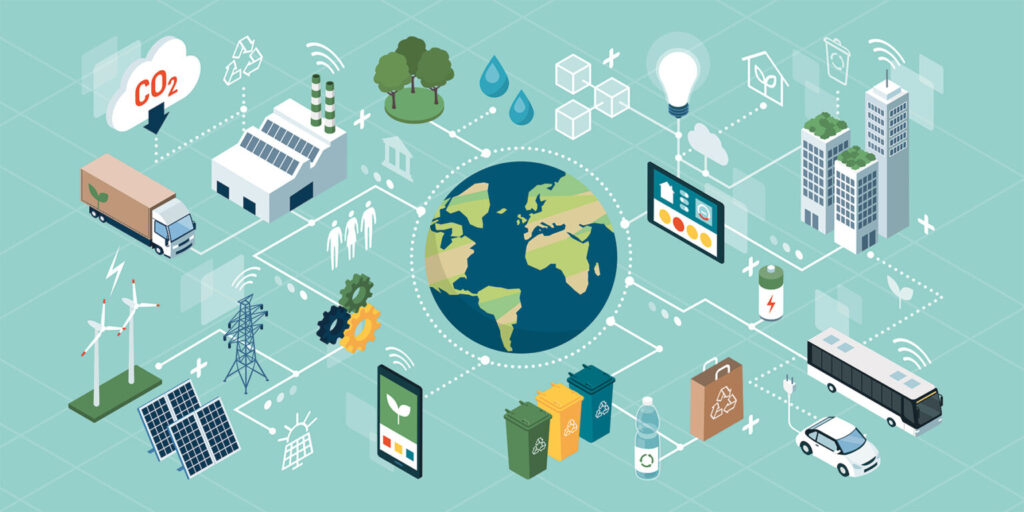
Smart energy systems integrate advanced technologies to optimize the production, distribution, and consumption of energy in an efficient and sustainable manner. At their core, these systems leverage digital technologies such as the Internet of Things (IoT), artificial intelligence (AI), and big data analytics to enable real-time monitoring and management of energy resources.
Components of Smart Energy Systems
A smart energy system is comprised of several key components:
- Smart Grids: These are electricity networks that use digital communication technology to detect and react to local changes in usage, improving the reliability and efficiency of electricity distribution.
- Renewable Energy Sources: Integration of solar panels, wind turbines, and other renewable energy technologies to reduce dependence on fossil fuels and decrease greenhouse gas emissions.
- Energy Storage Solutions: Advanced battery systems that store excess energy for use during peak demand periods, ensuring a consistent and reliable power supply.
- Demand Response Systems: These allow consumers to adjust their energy usage during peak times, reducing the strain on the grid and lowering energy costs.
- Smart Meters: Devices that provide real-time data on energy consumption, helping consumers make informed decisions about their energy use.
Benefits of Smart Energy Systems
The adoption of smart energy systems offers a multitude of benefits, both for consumers and the environment.
Enhanced Energy Efficiency
Smart energy systems enable more efficient use of energy resources by optimizing energy consumption patterns. Through real-time monitoring and management, these systems reduce energy waste and promote sustainable energy use.
Improved Grid Reliability
By incorporating smart grids and advanced monitoring technologies, smart energy systems enhance the reliability and resilience of electricity networks. They can quickly detect and respond to outages, minimizing downtime and ensuring a stable power supply.
Cost Savings
Smart energy systems can lead to significant cost savings for both consumers and utilities. By optimizing energy consumption and reducing peak demand, these systems lower electricity bills and operational costs.
Environmental Benefits
The integration of renewable energy sources and energy-efficient technologies in smart energy systems contributes to a reduction in greenhouse gas emissions, helping combat climate change and protect the environment.
Empowered Consumers
With access to real-time energy consumption data, consumers are empowered to make informed decisions about their energy use. This transparency leads to increased awareness and encourages sustainable behavior.
Challenges and Considerations
Despite the numerous benefits, the implementation of smart energy systems is not without its challenges. Addressing these issues is crucial to the successful and widespread adoption of these systems.
Technical Challenges
The integration of various technologies into a cohesive smart energy system poses significant technical challenges. Ensuring the interoperability of different components, managing large volumes of data, and maintaining cybersecurity are critical to system functionality and security.
Infrastructure Investment
The transition to smart energy systems requires substantial investment in infrastructure, including the modernization of existing grids and the deployment of new technologies. Securing the necessary funding and resources can be a significant hurdle for many regions.
Regulatory and Policy Barriers
The deployment of smart energy systems is often hindered by regulatory and policy barriers. Developing supportive frameworks and policies that encourage innovation and investment in smart energy technologies is essential for progress.
Consumer Acceptance
The success of smart energy systems depends on consumer acceptance and participation. Educating consumers about the benefits and functionalities of these systems is crucial for gaining their trust and encouraging widespread adoption.
The Future of Smart Energy Systems
The future of smart energy systems holds immense potential for transforming the global energy landscape. As technology continues to evolve, these systems are expected to become more sophisticated and accessible, driving further innovation and efficiency in the energy sector.
Integration with Emerging Technologies
The integration of emerging technologies such as blockchain, machine learning, and advanced energy storage solutions will further enhance the capabilities of smart energy systems. These advancements will enable more precise energy management, improved grid security, and greater consumer engagement.
Decentralized Energy Systems
The trend towards decentralized energy systems, where consumers become “prosumers” by generating their own energy and selling excess back to the grid, is expected to grow. This shift will create more resilient and flexible energy networks.
Global Collaboration and Innovation
The development and deployment of smart energy systems will benefit from increased global collaboration and innovation. Sharing best practices, technologies, and resources across borders will accelerate progress and help address global energy challenges.
Conclusion
Smart energy systems represent a paradigm shift in the way we produce, distribute, and consume energy. By leveraging advanced technologies, these systems offer a path towards a more sustainable, efficient, and resilient energy future. While challenges remain, the potential benefits of smart energy systems are immense. As we continue to innovate and collaborate, the vision of a smarter energy future becomes increasingly achievable.