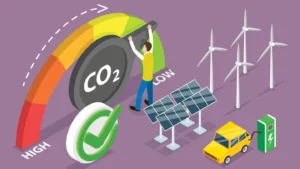
In today’s rapidly evolving world, energy efficiency has become a crucial aspect of sustainable living. As energy demands continue to rise and environmental concerns intensify, optimizing home energy use is more important than ever. Not only does improving home efficiency reduce utility bills, but it also decreases the carbon footprint, contributing to a healthier planet. This article provides comprehensive insights into enhancing home energy efficiency through practical and effective strategies.
Understanding Energy Efficiency
Energy efficiency refers to using less energy to perform the same task or produce the same outcome. It is a key component of sustainable energy policy and is essential for reducing greenhouse gas emissions. In the context of a home, energy efficiency means optimizing how energy is consumed, from heating and cooling systems to lighting and appliances.
Conducting an Energy Audit
Before implementing energy-saving measures, it’s advisable to conduct an energy audit. This assessment identifies areas where energy is being wasted and highlights opportunities for improvement. Homeowners can perform a basic audit themselves or hire a professional for a more detailed analysis.
Optimizing Heating and Cooling Systems
Regular Maintenance
Regular maintenance of heating and cooling systems is vital for ensuring they operate efficiently. This includes cleaning or replacing filters, inspecting ducts for leaks, and ensuring that vents and registers are unobstructed.
Programmable Thermostats
Installing a programmable thermostat can significantly reduce energy consumption. Homeowners can set temperatures to automatically adjust according to their schedule, ensuring energy isn’t wasted when heating or cooling is unnecessary.
Insulation and Sealing
Proper insulation and sealing are critical in preventing heat loss in winter and keeping cool air in during summer. Insulating attics, walls, and floors and sealing gaps around windows and doors can dramatically improve a home’s energy efficiency.
Improving Appliance Efficiency
Energy-Efficient Appliances
Switching to energy-efficient appliances is one of the most effective ways to reduce energy consumption. Look for appliances with the ENERGY STAR label, which meet strict efficiency criteria set by the government.
Unplugging Electronics
Many electronic devices consume energy even when turned off, a phenomenon known as “phantom load.” Unplugging electronics when not in use or using power strips to cut off power can eliminate this energy waste.
Optimizing Refrigerator Use
Refrigerators are among the largest energy consumers in a home. Ensuring the refrigerator is set to the optimal temperature (37-40°F for the fridge, 0-5°F for the freezer) and keeping the coils clean can enhance its efficiency.
Enhancing Lighting Efficiency
LED Lighting
Replacing incandescent bulbs with LED lighting can reduce energy use significantly. LEDs use up to 75% less energy and last 25 times longer, making them a cost-effective lighting option.
Utilizing Natural Light
Maximizing natural light reduces the need for artificial lighting. Positioning workspaces near windows and using light-colored walls and reflective surfaces can help brighten spaces naturally.
Water Heating Efficiency
Efficient Water Heaters
Water heating accounts for a significant portion of household energy use. Upgrading to a more efficient water heater, such as a tankless or solar model, can lead to substantial energy savings.
Insulating Water Pipes
Insulating hot water pipes reduces heat loss and can help water heaters operate more efficiently. It also means hot water will reach faucets faster, reducing water waste.
Harnessing Renewable Energy
Solar Panels
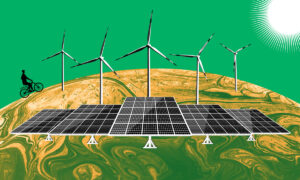
While an upfront investment, solar panels can drastically reduce electricity bills and provide a clean energy source. They are especially beneficial in areas with high solar insolation.
Wind Turbines
For homes in suitable locations, small wind turbines can provide an additional source of renewable energy. However, they require careful consideration of local wind patterns and zoning regulations.
Smart Home Technology
Smart Meters
Smart meters provide real-time data on energy consumption, helping homeowners identify usage patterns and areas for improvement. They also enable more accurate billing.
Home Automation Systems
Home automation systems allow for remote control of lighting, heating, cooling, and appliances, optimizing energy use based on occupancy and time of day.
Behavioral Changes
Conscious Consumption
Simple behavioral changes can lead to significant energy savings. Being mindful of energy use, such as turning off lights when leaving a room and using appliances during off-peak hours, can make a considerable difference.
Education and Awareness
Educating household members about energy conservation and sustainability can foster a culture of efficiency. Encouraging everyone to participate in energy-saving practices ensures collective effort towards a more efficient home.
Conclusion
Boosting home energy efficiency is a multifaceted endeavor that requires a combination of technological upgrades and behavioral changes. By conducting an energy audit, optimizing heating and cooling systems, upgrading appliances, enhancing lighting, improving water heating, harnessing renewable energy, and adopting smart technology, homeowners can achieve significant energy savings. These efforts not only reduce utility bills but also contribute to the broader goal of environmental sustainability. As we continue to face the challenges of climate change, embracing energy efficiency at home is a critical step towards a more sustainable future.
#ChatGPT assisted in the creation of this article.