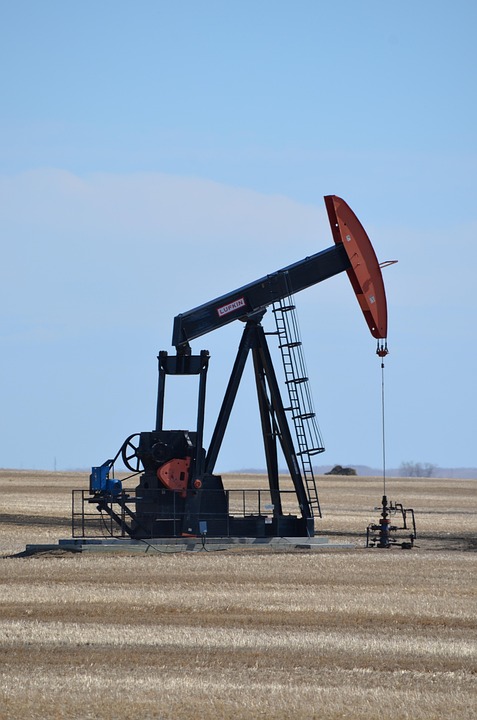
The oil and gas industry has long been a cornerstone of global energy supply, shaping economies and societies worldwide. As the demand for energy continues to grow, so too does the need for more efficient, environmentally friendly, and cost-effective methods of extracting crude oil. Traditional extraction methods, while effective, often come with significant environmental and economic costs. In response to these challenges, the industry is experiencing a revolution driven by innovative extraction techniques. These advancements not only promise to enhance recovery rates but also aim to minimize environmental impact and reduce operational costs.
Hydraulic Fracturing: Enhancing Recovery Rates
Hydraulic fracturing, commonly known as fracking, has transformed the landscape of crude oil extraction in recent decades. This technique involves injecting a high-pressure fluid mixture into deep rock formations to create fractures, allowing oil and gas to flow more freely to the production wells. Fracking has unlocked vast reserves of oil and gas that were previously inaccessible, particularly in shale formations.
The innovation in hydraulic fracturing lies in the development of more precise and efficient methods. Advances in horizontal drilling have allowed for greater access to oil-rich layers, improving the efficiency of the extraction process. Moreover, the use of data analytics and real-time monitoring has optimized the fracking process, reducing waste and minimizing environmental risks. As a result, hydraulic fracturing has significantly boosted crude oil production in regions like the United States, turning it into one of the world’s leading oil producers.
Enhanced Oil Recovery: Maximizing Output
Enhanced Oil Recovery (EOR) techniques have been instrumental in increasing the amount of crude oil extracted from existing wells. Traditional extraction methods leave a substantial portion of oil trapped in reservoirs. EOR methods, such as thermal recovery, gas injection, and chemical flooding, aim to maximize the recovery of this residual oil.
Thermal recovery involves injecting steam into the reservoir to lower the viscosity of the oil, making it easier to extract. Gas injection, on the other hand, uses gases like carbon dioxide or nitrogen to increase reservoir pressure and push additional oil to the wells. Chemical flooding employs the use of surfactants or polymers to alter the properties of the oil, enhancing its flow characteristics.
Recent advancements in EOR techniques focus on precision and sustainability. For instance, the use of smart water flooding, which involves adjusting the salinity and composition of injected water, has shown promise in improving recovery rates while reducing environmental impact. These innovations enable operators to extend the life of mature fields, thereby optimizing resource utilization.
Digitalization and Automation: Streamlining Operations
The digital revolution has permeated the oil and gas industry, leading to significant changes in how crude oil is extracted. Digital technologies, including the Internet of Things (IoT), artificial intelligence (AI), and machine learning, are transforming traditional operations into smart, automated processes.
IoT devices installed on rigs and wells provide real-time data on equipment performance, reservoir conditions, and environmental factors. This data is then analyzed using AI algorithms to optimize drilling and extraction operations. Predictive maintenance, powered by machine learning, helps prevent equipment failures, reducing downtime and maintenance costs.
Automation is also playing a critical role in revolutionizing crude oil extraction. Robotic technologies are being deployed for tasks such as drilling, inspection, and maintenance, improving safety by reducing human exposure to hazardous environments. The integration of digital twin technology, which creates a virtual replica of physical assets, allows for simulation and optimization of extraction processes, further enhancing efficiency.
Subsea Extraction: Unlocking Deepwater Reserves
As easily accessible reserves dwindle, the industry is increasingly turning to deepwater and ultra-deepwater reserves. Subsea extraction technologies have become essential for tapping into these challenging environments.
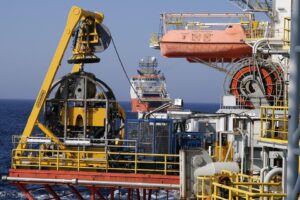
Innovations in subsea extraction include the development of advanced remotely operated vehicles (ROVs) and autonomous underwater vehicles (AUVs) that can perform complex tasks at great depths. These vehicles are equipped with high-resolution sonar and cameras, enabling precise inspection and intervention.
Subsea processing units are another significant advancement, allowing for the separation and processing of oil and gas on the seabed. This eliminates the need for large surface platforms and reduces the ecological footprint of offshore operations. The integration of subsea power systems, using renewable energy sources such as wind and wave power, further enhances the sustainability of deepwater extraction.
Environmental Considerations: Reducing Impact
While innovative extraction techniques offer numerous benefits, they also raise environmental concerns. The industry is actively seeking ways to reduce its ecological footprint and mitigate the impact of extraction activities.
One approach is the adoption of greener technologies and practices. For example, utilizing biodegradable drilling fluids and implementing closed-loop systems for waste management minimize contamination risks. Furthermore, carbon capture and storage (CCS) technologies are gaining traction, capturing CO2 emissions from extraction processes and storing them underground to prevent atmospheric release.
Environmental monitoring and assessment tools have also improved, allowing for more accurate evaluation of the impact of extraction activities. Satellite imagery, drones, and remote sensing technologies are used to monitor land use changes, detect oil spills, and assess ecosystem health in real-time.
Future Prospects: A Sustainable Path Forward
The oil and gas industry is at a crossroads, facing pressures to meet increasing energy demands while minimizing environmental impact. The future of crude oil extraction lies in the continuous evolution of innovative techniques and sustainable practices.
Collaborative efforts between industry stakeholders, governments, and research institutions are crucial for driving innovation. Investment in research and development will pave the way for the discovery of new extraction methods and technologies. Furthermore, policy frameworks that incentivize sustainable practices and carbon reduction will play a vital role in shaping the industry’s future.
As the world transitions towards cleaner energy sources, the oil and gas industry must adapt to remain relevant. By embracing innovation and sustainability, the industry can continue to provide essential energy resources while minimizing its environmental footprint.
Conclusion
Innovative crude oil extraction techniques are revolutionizing the oil and gas industry, offering solutions to some of its most pressing challenges. From hydraulic fracturing and enhanced oil recovery to digitalization and subsea extraction, these advancements are reshaping the way crude oil is extracted, processed, and managed. By prioritizing environmental considerations and embracing sustainable practices, the industry can continue to meet global energy demands while minimizing its impact on the planet. The path forward lies in embracing innovation, fostering collaboration, and committing to a sustainable future for the oil and gas sector.