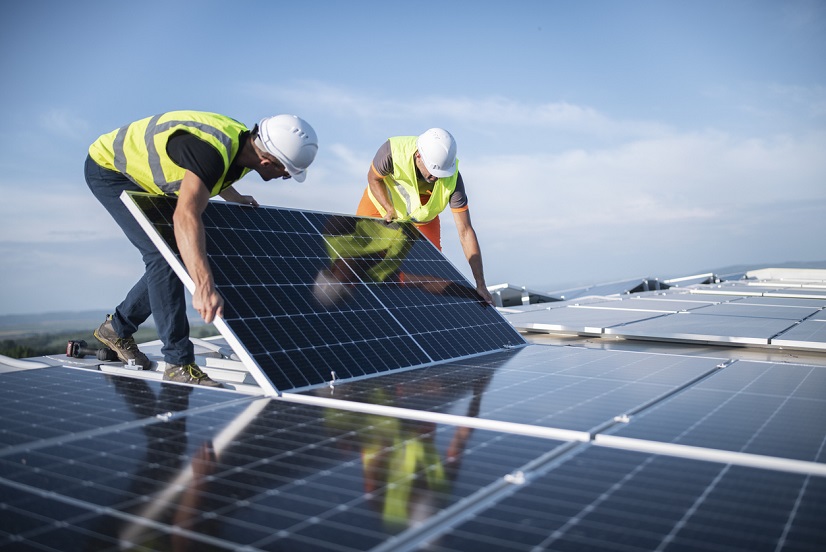
Team of two engineers installing solar panels on roof.
As the world grapples with the challenges of climate change and depleting natural resources, the quest for sustainable energy solutions has become more critical than ever. The transition to a greener future hinges on innovative energy-saving technologies that not only reduce our carbon footprint but also promote economic growth and energy security. This article explores cutting-edge energy-saving solutions that hold the potential to transform our energy landscape.
Smart Grids and Energy Management Systems
One of the most transformative innovations in the energy sector is the development of smart grids. Unlike traditional power grids, smart grids leverage digital technology to monitor, predict, and efficiently manage the distribution of electricity. These systems can integrate renewable energy sources, such as solar and wind, thereby reducing reliance on fossil fuels.
Energy management systems (EMS) are integral to smart grids, providing real-time data analytics that enable utilities and consumers to optimize energy use. By using advanced algorithms, EMS can forecast energy demand and adjust supply accordingly, minimizing waste and enhancing grid reliability. Furthermore, smart meters empower consumers with detailed insights into their energy consumption, promoting conscious energy-saving behaviors.
Renewable Energy Integration
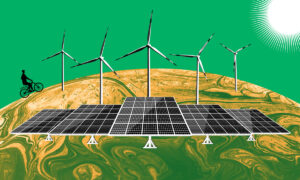
The integration of renewable energy sources is a cornerstone of sustainable energy solutions. Solar panels and wind turbines have become increasingly efficient and cost-effective, making them viable options for reducing energy consumption from non-renewable sources. Recent advancements in photovoltaic technology have led to the development of bifacial solar panels, which capture sunlight on both sides, significantly boosting energy output.
Moreover, offshore wind farms are harnessing stronger and more consistent winds at sea, providing a substantial increase in energy generation capacity. Coupled with energy storage solutions such as advanced battery systems, renewables can now offer a stable and reliable energy supply, even during periods of low generation.
Energy Storage Innovations
Energy storage plays a crucial role in balancing supply and demand, particularly with the intermittent nature of renewable energy sources. Lithium-ion batteries have dominated the market due to their high energy density and decreasing costs. However, researchers are exploring alternative technologies that promise even greater efficiency and sustainability.
Solid-state batteries are one such innovation, offering higher energy densities, faster charging times, and improved safety compared to traditional lithium-ion batteries. Additionally, flow batteries, which use liquid electrolytes, offer long-duration energy storage suitable for grid-scale applications. These advancements in energy storage not only enhance the viability of renewables but also pave the way for decentralized energy systems.
Energy-Efficient Building Technologies
Buildings account for a significant proportion of global energy consumption, making energy-efficient building technologies essential for a sustainable future. Innovations in this sector range from smart thermostats and energy-efficient lighting to advanced insulation materials and green roofs.
Smart thermostats learn user preferences and adjust heating and cooling systems to maximize comfort while minimizing energy use. LED lighting has become the standard for energy efficiency, with newer models offering even greater lumens per watt. Furthermore, building materials such as aerogels and phase-change materials enhance thermal insulation, reducing the need for heating and cooling.
Green roofs, which incorporate vegetation, provide natural insulation and reduce urban heat island effects. These technologies not only decrease energy consumption but also improve indoor air quality and occupant well-being.
Transportation Electrification
The transportation sector is another major contributor to global carbon emissions. Electrification of transportation, through electric vehicles (EVs) and public transportation systems, offers a viable solution to reduce emissions and energy consumption.
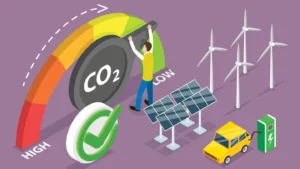
Recent advancements in EV technology, including increased battery efficiency and rapid charging infrastructure, have made electric cars more accessible and appealing to consumers. Additionally, electric buses and trains offer sustainable alternatives to traditional diesel-powered public transportation, reducing emissions and improving air quality in urban areas.
Moreover, the concept of vehicle-to-grid (V2G) technology allows EVs to act as mobile energy storage units, feeding electricity back into the grid during peak demand periods. This innovation not only supports grid stability but also provides an additional revenue stream for EV owners.
Decentralized Energy Systems and Microgrids
Decentralized energy systems and microgrids represent a shift from traditional centralized power generation to localized, community-based energy solutions. These systems enhance energy resilience, particularly in remote or disaster-prone areas, by allowing communities to generate and manage their own energy locally.
Microgrids can operate independently or in conjunction with the main grid, providing flexibility and reliability. They often incorporate a mix of renewable energy sources, energy storage, and smart grid technology to optimize energy use. By reducing transmission losses and empowering local communities, decentralized energy systems contribute to a more sustainable and equitable energy future.
Conclusion
The transition to a greener future requires a holistic approach that combines technological innovation with sustainable practices. The energy-saving solutions discussed in this article demonstrate the potential for significant reductions in energy consumption and carbon emissions. By embracing smart grids, renewable energy integration, advanced energy storage, energy-efficient building technologies, transportation electrification, and decentralized energy systems, we can pave the way for a sustainable and resilient energy future.
As governments, businesses, and individuals increasingly recognize the importance of sustainability, the adoption of these innovative solutions will be crucial in achieving global climate goals and ensuring energy security for future generations.