The oil and gas industry has long been a cornerstone of global energy supply, powering economies and providing the raw materials for countless products. Traditionally, oil drilling has been a resource-intensive endeavor, often associated with significant environmental impact and high operational costs. However, recent advancements in onshore oil drilling techniques are poised to revolutionize the industry, offering more efficient, cost-effective, and environmentally friendly methods to extract this vital resource.
Historical Context
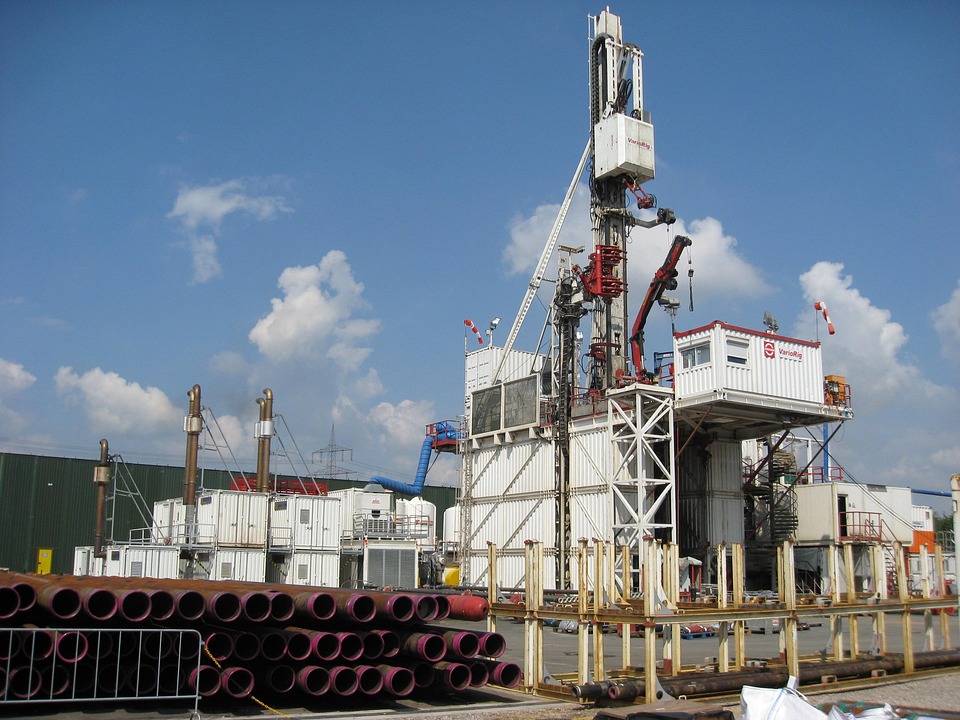
Conventional onshore drilling methods, such as rotary drilling, have been in use for over a century. These techniques, while effective, often involve significant land disturbance and require extensive infrastructure. As the demand for oil continues to rise, so does the need for more sustainable and efficient extraction methods. The industry has responded by developing innovative techniques that not only maximize resource recovery but also minimize environmental impact.
Horizontal Drilling
One of the most transformative innovations in onshore oil drilling is horizontal drilling. Unlike traditional vertical drilling, horizontal drilling allows for the well to be drilled vertically to a certain depth before being turned horizontally. This technique enables access to a larger section of the oil reservoir from a single well, significantly increasing the amount of recoverable oil.
Horizontal drilling has proven particularly effective in shale formations, where oil is trapped in tight rocks. By drilling horizontally through these formations, operators can significantly enhance oil and gas production. This method not only improves efficiency but also reduces the number of wells needed, minimizing surface disruption.
Benefits of Horizontal Drilling
– **Increased Production:** Horizontal drilling can tap into multiple pockets of oil within the same formation, leading to higher production rates compared to vertical wells.
– **Reduced Footprint:** By accessing a larger area from a single well site, horizontal drilling reduces land use and associated environmental impacts.
– **Cost Efficiency:** Fewer wells mean reduced drilling and operational costs, making oil extraction more economically viable.
Hydraulic Fracturing (Fracking)
Hydraulic fracturing, commonly known as fracking, is another groundbreaking technique that has reshaped onshore oil drilling. By injecting a high-pressure mixture of water, sand, and chemicals into the well, fracking creates fractures in the rock formations, allowing oil and gas to flow more freely.
Fracking has been instrumental in unlocking vast reserves of oil and natural gas, particularly in the United States, leading to a resurgence in domestic production. Despite its success, fracking has faced criticism due to environmental concerns, such as groundwater contamination and induced seismicity. However, ongoing innovations aim to address these issues and make fracking more sustainable.
Advancements in Fracking Technology
– **Waterless Fracking:** New methods using propane gel or other alternatives to water are being developed to reduce water usage and mitigate contamination risks.
– **Real-time Monitoring:** Advanced sensors and data analytics allow for real-time monitoring of fracking operations, enhancing safety and efficiency.
– **Eco-friendly Fracturing Fluids:** Researchers are developing biodegradable and less harmful fracturing fluids to lessen environmental impact.
Advanced Drilling Technologies
Beyond horizontal drilling and fracking, several other advanced technologies are making onshore oil drilling more efficient and sustainable.
Automated Drilling Rigs
Automation is playing an increasingly important role in the oil and gas industry. Automated drilling rigs equipped with advanced robotics and machine learning algorithms can perform drilling operations with greater precision and speed than human operators. These rigs reduce human error, enhance safety, and optimize drilling processes, leading to significant cost savings.
Enhanced Oil Recovery (EOR) Techniques
EOR techniques are designed to extract additional oil from existing wells, extending their productive life and maximizing resource recovery. Methods such as CO2 injection, chemical flooding, and thermal recovery are being refined to improve efficiency and reduce environmental impact. EOR not only boosts production but also offers a way to sequester CO2, contributing to carbon capture and storage efforts.
Environmental Considerations
While the advancements in onshore oil drilling techniques offer numerous benefits, they also come with environmental considerations that must be addressed.
Reducing Carbon Footprint
The oil and gas industry is increasingly focused on reducing its carbon footprint. By adopting cleaner drilling technologies and improving operational efficiency, companies can lower greenhouse gas emissions associated with oil extraction and production.
Minimizing Land Disturbance
Innovative drilling techniques, such as pad drilling, allow for multiple wells to be drilled from a single location, significantly reducing the land area impacted by drilling activities. This approach helps preserve natural habitats and minimizes the ecological footprint of drilling operations.
Water Management
Water is a critical resource in oil drilling, particularly in fracking. As such, effective water management strategies are essential to ensure sustainable operations. Recycling and reusing water, as well as adopting waterless fracking technologies, are key steps in reducing water consumption and mitigating environmental concerns.
Future Prospects
The future of onshore oil drilling is likely to be shaped by continued innovation and a focus on sustainability. As technology evolves, the industry will increasingly embrace digitalization, automation, and data-driven decision-making to optimize operations and reduce environmental impact.
Integration of Artificial Intelligence (AI)
AI has the potential to revolutionize onshore oil drilling by providing real-time insights and predictive analytics. By analyzing vast amounts of data from drilling operations, AI can help identify optimal drilling parameters, predict equipment failures, and enhance overall efficiency.
Collaboration and Knowledge Sharing
Collaboration between industry stakeholders, governments, and research institutions will be crucial in driving innovation and addressing environmental challenges. By sharing knowledge and best practices, the industry can accelerate the development and adoption of sustainable drilling techniques.
Conclusion
Innovative onshore oil drilling techniques are transforming the oil and gas industry, offering new ways to access and extract resources more efficiently and sustainably. As the industry continues to evolve, the integration of advanced technologies and a commitment to environmental stewardship will be essential in ensuring a sustainable and prosperous future. By embracing these innovations, the industry can continue to meet global energy demands while minimizing its environmental footprint.