
The Organization of the Petroleum Exporting Countries (OPEC) plays a pivotal role in the global oil markets. Established in 1960, OPEC’s primary mission is to coordinate and unify the petroleum policies of its member countries to ensure the stabilization of oil markets. Over the years, OPEC’s strategic decisions regarding oil production have significantly influenced not only the supply and demand dynamics of the global oil market but also the economics and politics of oil-dependent regions. This article delves into the intricate ways in which OPEC’s oil production decisions impact global markets.
The Role of OPEC in the Global Oil Market
OPEC, comprising 13 member countries as of 2023, holds a substantial share of the world’s oil reserves. The organization is responsible for about 35% of global oil production, granting it considerable sway over oil prices. OPEC’s influence stems from its ability to adjust production levels to either increase or decrease supply, thereby affecting global oil prices. This strategic control helps OPEC members stabilize their economies, which are often heavily reliant on oil revenues.
Strategic Oil Production Decisions
OPEC’s strategic decisions are primarily focused on balancing the oil market by managing production quotas. These decisions are influenced by various factors, including economic conditions, geopolitical tensions, technological advancements, and environmental concerns. Here are some key strategic considerations:
Market Stabilization
One of the core objectives of OPEC is to stabilize the oil market. By adjusting production levels, OPEC aims to prevent extreme volatility in oil prices, which can have detrimental effects on both producers and consumers. For instance, during periods of low demand or oversupply, OPEC may decide to cut production to prevent prices from plummeting. Conversely, in times of high demand and rising prices, OPEC may increase production to ensure adequate supply and moderate price surges.
Price Targeting
OPEC often sets a target price range that it considers optimal for balancing the interests of both producers and consumers. This target price is influenced by various factors, including the cost of production, fiscal needs of member countries, and global economic conditions. By manipulating production levels, OPEC can guide prices towards this target range, providing a level of predictability and stability to the market.
Responding to Geopolitical Events
Geopolitical events, such as conflicts in oil-producing regions, sanctions, or diplomatic tensions, can severely impact oil supply and prices. OPEC’s strategic decisions often reflect responses to such events. For example, if a member country is unable to meet its production quota due to internal strife, OPEC may adjust overall production levels to compensate for the shortfall and maintain market stability.
Impact on Global Oil Markets
OPEC’s strategic production decisions have far-reaching impacts on global oil markets and beyond. Here are some of the key effects:
Price Fluctuations
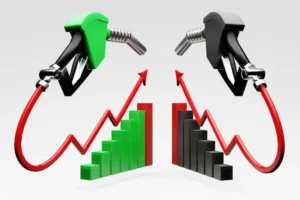
OPEC’s ability to influence oil prices is one of its most significant powers. Changes in production quotas can lead to fluctuations in global oil prices, affecting everything from gasoline prices at the pump to the cost of goods and services worldwide. These price changes can ripple through economies, impacting inflation rates, currency values, and economic growth.
Supply and Demand Dynamics
By controlling the supply side of the market, OPEC can influence the global supply-demand balance. This is particularly important in times of economic uncertainty or when alternative energy sources impact oil demand. OPEC’s decisions can either reinforce or counteract market trends, affecting how quickly markets adjust to changes in demand.
Economic Implications for Member Countries
For many OPEC member countries, oil revenues constitute a significant portion of their national income. Strategic production decisions directly impact these revenues, influencing member countries’ budgets, social spending, and economic development. A decision to cut production, for instance, might stabilize global prices but could also reduce national income, necessitating budgetary adjustments.
Investment and Technological Advancements
OPEC’s production strategies can also influence investment in the oil sector. High oil prices, resulting from production cuts, can encourage investment in exploration and production technologies, as well as in alternative energy sources. Conversely, sustained low prices may deter investment, impacting the long-term sustainability of oil supply.
Challenges and Criticisms
While OPEC’s strategic decisions are aimed at stabilizing the market, they are not without challenges and criticisms. Some of the main criticisms include:
Market Manipulation
OPEC has often been accused of manipulating the market to serve the interests of its member countries at the expense of global economic stability. Critics argue that artificial supply constraints can lead to unfair price increases and economic distortions.
Internal Disagreements
OPEC’s decision-making process can be complicated by differing priorities and economic needs among member countries. Disagreements over production quotas or target prices can lead to internal conflicts, reducing the organization’s effectiveness in achieving its goals.
External Competition
The rise of shale oil production, particularly in the United States, has challenged OPEC’s market dominance. The ability of non-OPEC producers to quickly ramp up production in response to price changes limits OPEC’s ability to control the market effectively.
Future Outlook
As the global energy landscape evolves, OPEC faces new challenges and opportunities. The transition to renewable energy sources, technological advancements in oil extraction, and changing geopolitical dynamics will all influence OPEC’s future strategies. Moreover, the increasing emphasis on climate change and environmental sustainability may pressure OPEC to consider more sustainable production methods and diversify its energy portfolio.
Conclusion
OPEC’s strategic oil production decisions continue to have a profound impact on global oil markets and the broader economic landscape. By carefully managing production levels, OPEC aims to stabilize prices, balance supply and demand, and ensure the economic well-being of its member countries. However, the organization must navigate a complex web of internal and external challenges to maintain its influence in a rapidly changing world. As the global energy transition accelerates, OPEC’s ability to adapt and innovate will be crucial to its continued relevance and effectiveness in the oil market.