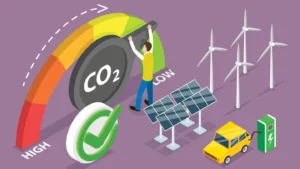
The global consensus on the urgency of addressing climate change has never been stronger, with nations worldwide committing to ambitious targets for reducing carbon emissions. Achieving net zero emissions by mid-century is crucial to limiting global warming to 1.5 degrees Celsius above pre-industrial levels. This article explores the pathways to accelerate progress towards net zero emissions, highlighting key strategies, innovations, and collaborations necessary to transform our energy systems and achieve sustainable development.
Understanding Net Zero Emissions
Net zero emissions refer to a state where the amount of greenhouse gases (GHGs) emitted into the atmosphere is balanced by the amount removed. This balance can be achieved by reducing emissions and enhancing carbon sinks, such as forests and oceans. The transition to net zero requires comprehensive efforts across industries, governments, and communities to implement sustainable practices, technologies, and policies.
Transitioning Energy Systems
The energy sector is the largest contributor to global emissions, making its transformation crucial for achieving net zero. Key strategies include:
Decarbonizing Electricity Generation
Shifting from fossil fuels to renewable energy sources such as wind, solar, and hydroelectric power is essential. Investment in renewable infrastructure, coupled with technological innovations like grid modernization and energy storage solutions, can enhance the reliability and efficiency of clean energy systems.
Electrifying Transportation
Electrification of transport is a significant step towards reducing emissions. Promoting electric vehicles (EVs) and investing in charging infrastructure can decrease reliance on fossil fuels. Additionally, strategies to improve public transportation and encourage active mobility (walking, cycling) are vital.
Improving Energy Efficiency
Enhancing energy efficiency in buildings, industries, and appliances can substantially cut emissions. Implementing stringent energy performance standards, retrofitting existing infrastructure, and adopting smart technologies are effective measures.
Leveraging Technology and Innovation
Technology plays a pivotal role in accelerating the transition to net zero. Emerging innovations offer promising solutions to address complex challenges:
Carbon Capture, Utilization, and Storage (CCUS)
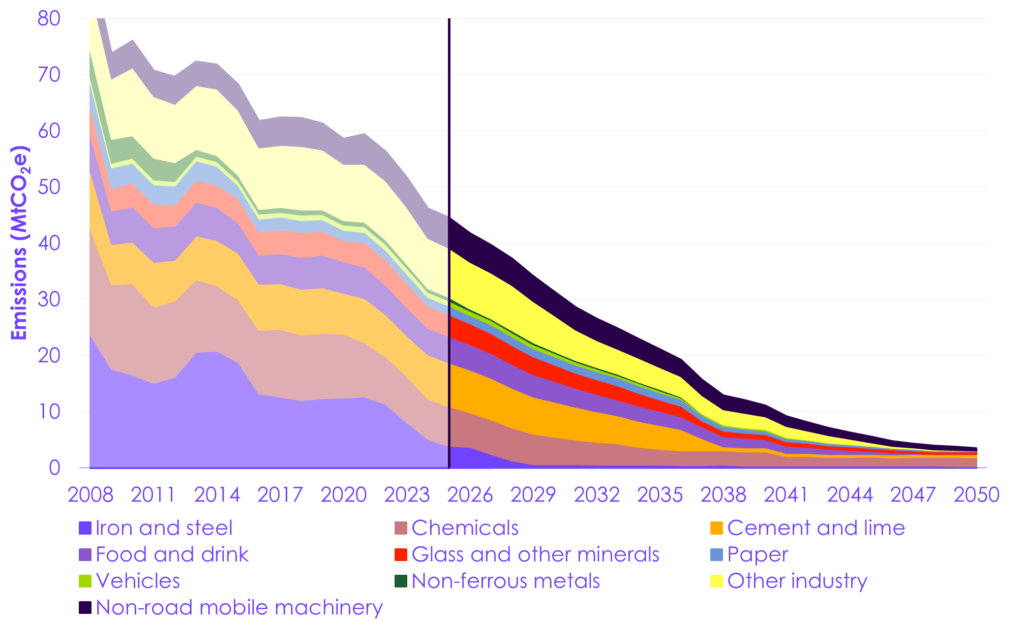
CCUS technologies capture CO2 emissions from industrial sources and either store them underground or use them in various applications. Scaling up CCUS is vital for reducing emissions from hard-to-abate sectors like cement and steel manufacturing.
Hydrogen as a Clean Energy Carrier
Hydrogen, particularly green hydrogen produced via electrolysis using renewable energy, is a versatile energy carrier. It can decarbonize industries, power transport systems, and store renewable energy, offering a pathway to deep decarbonization.
Digitalization and Smart Grids
Digital technologies, including smart grids and Internet of Things (IoT) devices, enable efficient energy management. These technologies optimize energy use, integrate renewable sources, and enhance demand response, contributing to a more resilient and sustainable energy system.
Policy and Regulatory Frameworks
Strong policy and regulatory frameworks are essential to drive the transition to net zero. Governments play a crucial role in setting ambitious targets and creating enabling environments:
Carbon Pricing
Implementing carbon pricing mechanisms, such as carbon taxes or cap-and-trade systems, incentivizes emissions reductions. By putting a price on carbon, businesses are encouraged to innovate and adopt cleaner technologies.
Incentives and Subsidies
Governments can accelerate the deployment of clean technologies through incentives and subsidies. Financial support for renewable energy projects, EV adoption, and energy efficiency initiatives can drive market transformation.
International Cooperation
Global challenges require global solutions. International cooperation and agreements, such as the Paris Agreement, foster collaboration and knowledge sharing, enabling countries to leverage each other’s strengths in technology, finance, and policy.
Engaging Stakeholders and Communities
The transition to net zero is not solely a technological or policy challenge; it requires active engagement from all stakeholders:
Corporate Responsibility and Innovation
Businesses have a critical role in driving sustainable practices. Corporate responsibility, coupled with innovation, can lead to the development of low-carbon products, services, and supply chains.
Community Involvement and Education
Engaging communities in the transition process ensures inclusive and equitable solutions. Education and awareness campaigns can empower individuals to contribute to emissions reductions through lifestyle changes and local initiatives.
Financing the Transition
Achieving net zero requires substantial financial investments, necessitating innovative financing mechanisms:
Green Finance and Investments
Green bonds, climate funds, and sustainable investments are crucial for mobilizing capital towards low-carbon projects. Financial institutions play a pivotal role in channeling funds to sustainable ventures.
Public-Private Partnerships
Collaboration between governments and the private sector can unlock funding for large-scale infrastructure projects. Public-private partnerships leverage resources and expertise, accelerating the deployment of clean technologies.
Conclusion
The pathway to net zero emissions is complex but achievable with concerted efforts. Transforming energy systems, leveraging technology, implementing robust policies, engaging stakeholders, and securing financing are critical components of this journey. By accelerating these pathways, we can mitigate climate change, protect our planet, and create a sustainable future for generations to come.
References
- International Energy Agency (IEA). “Net Zero by 2050: A Roadmap for the Global Energy Sector.” 2021.
- United Nations Framework Convention on Climate Change (UNFCCC). “The Paris Agreement.” 2015.
- World Resources Institute (WRI). “10 Key Takeaways from the IPCC’s Special Report on Global Warming of 1.5°C.” 2018.
- Intergovernmental Panel on Climate Change (IPCC). “Climate Change 2021: The Physical Science Basis.” 2021.