
The oil refining process is a crucial component of the global energy supply chain, transforming crude oil into usable products such as gasoline, diesel, and various petrochemicals. While the process might seem straightforward, it involves a series of complex operations and technologies that are essential to meet the diverse demands of modern civilization. In this article, we delve into the intricacies of the oil refining process, exploring its various stages, technologies involved, and the challenges faced by the industry.
The Basics of Crude Oil
Crude oil, a naturally occurring mixture of hydrocarbons, is extracted from the earth’s crust and serves as the primary raw material for refineries. Its composition varies significantly depending on its geographic origin, affecting its color, viscosity, and sulfur content. These variations necessitate different refining techniques to optimize the yield of desirable products.
Primary Stages of Oil Refining
The oil refining process can be broadly divided into three primary stages: separation, conversion, and treatment. Each stage employs specific techniques and technologies to transform crude oil into valuable end products.
Separation: The Crude Distillation Unit
The first stage in refining is the separation of crude oil into its various components, a process primarily conducted in the Crude Distillation Unit (CDU). Here, crude oil is heated to high temperatures, causing it to vaporize. The vapors are then fed into a distillation column, where they are separated based on their boiling points. This process yields several fractions, including naphtha, kerosene, diesel, and heavy fuel oil.
Conversion: Transforming Fractions into Desired Products
Once separated, the fractions undergo various conversion processes to enhance their value and utility. Key conversion techniques include:
- Catalytic Cracking: This process breaks down larger hydrocarbon molecules into smaller, more valuable ones. It is commonly used to convert heavy fractions into lighter products like gasoline and diesel.
- Hydrocracking: Similar to catalytic cracking, hydrocracking uses hydrogen and a catalyst to break down heavy hydrocarbons. It is particularly effective in producing high-quality diesel and jet fuel.
- Reforming: This process improves the quality of low-octane naphtha into high-octane gasoline by rearranging hydrocarbon molecules. It also produces hydrogen as a byproduct, which is used in other refining processes.
Treatment: Ensuring Product Quality
The final stage of refining involves treating the products to meet quality standards and regulatory requirements. This includes removing impurities such as sulfur and nitrogen compounds, which can harm engine performance and contribute to environmental pollution.
Desulfurization
One of the most critical treatment processes is desulfurization, which reduces sulfur content in fuels. Sulfur removal is essential for meeting stringent environmental regulations and preventing the formation of harmful sulfur dioxide emissions during combustion. The process typically involves the use of hydrogen and a catalyst to convert sulfur compounds into hydrogen sulfide, which is then removed.
Blending: Customizing Fuel Properties
After treatment, the refined products are often blended to achieve specific performance characteristics. Blending allows refineries to customize fuels for different climates, engine types, and regulatory standards. For example, gasoline may be blended with ethanol to meet octane requirements and reduce emissions.
Technological Advancements in Oil Refining
The oil refining industry continually evolves, driven by advancements in technology and changing market demands. Innovations such as advanced catalysts, process automation, and data analytics have significantly enhanced refining efficiency and product quality.
Advanced Catalysts
Modern catalysts are designed to optimize specific refining processes, improving yield and reducing energy consumption. For example, zeolite catalysts are widely used in catalytic cracking due to their high selectivity and stability.
Process Automation and Control
Automation technologies, including Distributed Control Systems (DCS) and Supervisory Control and Data Acquisition (SCADA), enable real-time monitoring and control of refining operations. These systems enhance safety, efficiency, and reliability by providing precise control over process variables.
Data Analytics and Artificial Intelligence
The integration of data analytics and artificial intelligence (AI) in refining processes allows for predictive maintenance, process optimization, and improved decision-making. By analyzing large volumes of operational data, refineries can identify patterns, predict equipment failures, and optimize production schedules.
Challenges Facing the Oil Refining Industry
Despite technological advancements, the oil refining industry faces several challenges that impact its operations and future prospects.
Environmental Regulations
Stringent environmental regulations require refineries to reduce emissions and improve product quality, necessitating significant investment in cleaner technologies. Compliance with these regulations can be costly and complex, especially for older refineries with outdated infrastructure.
Market Volatility
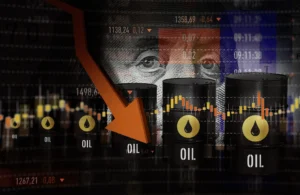
The oil market is inherently volatile, influenced by geopolitical events, supply-demand dynamics, and economic fluctuations. Refineries must navigate these uncertainties while maintaining profitability and operational efficiency.
Transition to Renewable Energy
The global shift towards renewable energy sources presents both challenges and opportunities for the oil refining industry. As demand for fossil fuels declines, refineries must adapt by diversifying their product offerings and exploring new markets, such as biofuels and chemical production.
Conclusion
The oil refining process is a complex and dynamic system that plays a vital role in the energy landscape. Understanding its intricacies is essential for navigating the challenges and opportunities facing the industry. As technology continues to evolve, refineries must embrace innovation and sustainability to meet the demands of a changing world. By optimizing processes, reducing environmental impact, and adapting to market trends, the oil refining industry can remain a cornerstone of the global energy supply chain.