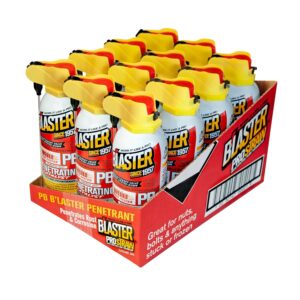

In the quest for optimal engine performance and longevity, oil additives have emerged as vital components in the automotive industry. These chemical compounds, when blended with base oils, enhance the oil’s properties, offering a range of benefits that can significantly improve engine efficiency and durability. As we delve into the multifaceted advantages of oil additives, it becomes evident that they are indispensable in maintaining and unlocking the full potential of an engine.
The Role of Oil Additives
The primary function of engine oil is to lubricate moving parts, reduce friction, and dissipate heat. However, the introduction of oil additives enhances these capabilities, leading to improved engine performance. Oil additives serve various purposes, such as cleaning, protecting against wear, preventing corrosion, and improving the oil’s viscosity index. Understanding their role is crucial for anyone looking to optimize engine performance.
Types of Oil Additives
Oil additives can be classified into several categories based on their specific functions. Here are some of the most common types:
Detergents
Detergents are designed to clean and remove deposits, such as sludge or varnish, that accumulate over time. By keeping the engine clean, detergents prevent clogs and maintain efficient oil circulation.
Dispersants
Dispersants work hand-in-hand with detergents to keep contaminants suspended in the oil, preventing them from aggregating and forming deposits. This ensures that the engine remains free of harmful build-ups, particularly during high-temperature operations.
Anti-Wear Agents
These additives form a protective layer on metal surfaces, reducing friction and wear. By minimizing metal-to-metal contact, anti-wear agents prolong engine life and improve performance.
Corrosion Inhibitors
Corrosion inhibitors protect engine components from rust and corrosion, which can be exacerbated by moisture and acids formed during combustion. This protection is crucial for maintaining the structural integrity of engine parts.
Viscosity Index Improvers
These additives help maintain the oil’s viscosity across a wide temperature range, ensuring optimal flow and protection under varying conditions. They are particularly beneficial in regions with extreme temperature fluctuations.
Antioxidants
Antioxidants inhibit the oxidation process, which can lead to oil thickening and sludge formation. By extending the oil’s life, antioxidants contribute to better engine performance and reduced maintenance costs.
Benefits of Oil Additives
The integration of oil additives into engine oils offers a myriad of benefits that enhance both the performance and longevity of engines. Let’s explore some of these advantages in detail:
Enhanced Engine Performance
Oil additives significantly boost engine performance by reducing friction and wear, leading to smoother and more efficient operation. This results in improved fuel economy, power output, and overall driving experience.
Prolonged Engine Life
By protecting engine components from wear, corrosion, and deposits, oil additives help extend the lifespan of an engine. This is particularly important for high-performance and heavy-duty engines that operate under challenging conditions.
Improved Fuel Efficiency
Reduced friction and optimized lubrication translate to less energy wasted in overcoming internal resistance. Consequently, vehicles experience enhanced fuel efficiency, which is both economically and environmentally beneficial.
Reduced Emissions
Cleaner and more efficient engine operations lead to lower emissions of harmful pollutants. Oil additives contribute to this by maintaining engine cleanliness and efficiency, ultimately supporting environmental sustainability efforts.
Cost Savings
While oil additives might seem like an additional expense, their ability to reduce engine wear and maintenance requirements can lead to significant long-term savings. Fewer repairs and extended engine life mean reduced overall costs for vehicle owners.
Applications and Considerations
Oil additives are used in various applications beyond traditional automotive engines, including industrial machinery, marine engines, and agricultural equipment. However, it’s essential to consider the specific needs and conditions of each application to choose the appropriate additives.
Customizing Additive Blends
Different engines and operating conditions may require unique additive blends. For instance, high-performance sports cars may benefit from additives that enhance extreme pressure protection, while commercial vehicles might prioritize those that improve fuel economy.
Compatibility and Manufacturer Recommendations
It’s crucial to ensure that oil additives are compatible with the engine and the base oil being used. Vehicle manufacturers often provide recommendations on suitable oil formulations, which should be adhered to for optimal results.
Regular Maintenance and Monitoring
While oil additives can significantly enhance engine performance, regular maintenance and monitoring are still vital. Routine oil changes, combined with the right additive selection, ensure that the engine remains in peak condition over time.
Conclusion
Oil additives play a pivotal role in unlocking the full potential of engines by enhancing performance, efficiency, and longevity. By understanding the various types of additives and their specific benefits, vehicle owners and operators can make informed decisions to optimize their engines’ performance. As the automotive industry continues to innovate, the importance of oil additives in achieving cutting-edge engine performance remains undeniable. Embracing these advancements not only benefits individual vehicle owners but also contributes to broader efforts in sustainability and environmental responsibility.