
The global push towards sustainable development has ignited a wave of innovative green technologies that promise to transform our future. As climate change continues to pose an existential threat, these revolutionary technologies are emerging as beacons of hope, offering sustainable solutions to some of the world’s most pressing environmental challenges. From renewable energy advancements to breakthrough technologies in waste management and agriculture, the landscape of green tech is evolving rapidly. This article explores some of the most groundbreaking green tech innovations that are set to reshape our world.
Renewable Energy Innovations
Solar Power: Beyond the Panels
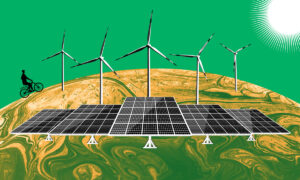
Solar energy has long been at the forefront of renewable energy solutions. However, recent innovations are pushing the boundaries of what solar power can achieve. Perovskite solar cells, for instance, are emerging as a game-changer due to their high efficiency and lower production costs compared to traditional silicon-based cells. These cells can be applied to flexible surfaces, opening up possibilities for new applications like solar-powered windows and clothing.
Additionally, floating solar farms are making waves by utilizing bodies of water to host solar panels. This not only conserves land resources but also reduces water evaporation and increases energy efficiency due to the cooling effect of water. As these technologies continue to advance, solar power is poised to play an even more significant role in the global energy mix.
Wind Energy: Harnessing the Breeze More Efficiently
Wind energy has experienced substantial growth over the past decade, thanks to technological advancements that have increased turbine efficiency and reduced costs. One of the most promising innovations in this field is the development of airborne wind energy systems. These systems deploy kites or drones to capture wind at higher altitudes, where it is more stable and powerful, thus generating more energy than traditional ground-based wind turbines.
Moreover, vertical axis wind turbines (VAWTs) are gaining attention for their ability to operate efficiently in urban environments where space is limited. Unlike traditional horizontal axis turbines, VAWTs can capture wind from any direction, making them ideal for cities with turbulent wind patterns. These innovations are poised to expand the reach and efficiency of wind power globally.
Energy Storage Breakthroughs
Advanced Battery Technologies
As renewable energy sources become more prevalent, the need for efficient energy storage solutions has never been more critical. Lithium-ion batteries have dominated the market, but new technologies are emerging that promise to surpass their limitations. Solid-state batteries, for example, offer higher energy density, faster charging times, and enhanced safety compared to their liquid-electrolyte counterparts.
Beyond solid-state technology, flow batteries are gaining traction for their scalability and long-duration storage capabilities. These batteries use liquid electrolytes stored in external tanks, allowing for easy scalability by simply increasing the size of the tanks. Such advancements in battery technology are essential for balancing supply and demand in renewable energy systems and ensuring grid stability.
Innovations in Sustainable Transportation
Electric Vehicles and Beyond
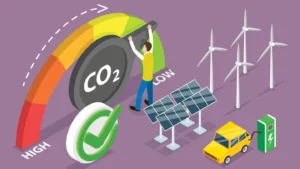
The transportation sector is undergoing a green transformation, with electric vehicles (EVs) leading the charge. Recent innovations in EV technology focus on improving battery performance, reducing charging times, and increasing range. Companies are also exploring wireless charging solutions, which could revolutionize how we power our vehicles by enabling charging while driving.
Hydrogen fuel cell vehicles are another promising innovation, offering a zero-emission alternative to traditional combustion engines. These vehicles convert hydrogen into electricity, emitting only water vapor as a byproduct. With advancements in hydrogen production and fueling infrastructure, fuel cell vehicles are becoming a viable option for long-distance travel and heavy-duty transport.
Revolutionary Agricultural Technologies
Vertical Farming: Growing Upwards
As the global population continues to rise, sustainable food production is a critical challenge. Vertical farming offers a solution by enabling crop cultivation in vertically stacked layers, often within controlled environments. This innovative approach minimizes land use, reduces water consumption, and allows for year-round production, independent of weather conditions.
Furthermore, vertical farms can be integrated into urban settings, reducing the need for transportation and associated emissions. By utilizing advanced hydroponics and LED lighting, vertical farms can optimize growth conditions, resulting in higher yields and reduced resource consumption. As urbanization continues, vertical farming is poised to play a significant role in sustainable food production.
Precision Agriculture: Farming with Data
Precision agriculture leverages technology and data analytics to optimize farming practices and resource use. By employing sensors, drones, and satellite imagery, farmers can monitor crop health, soil conditions, and weather patterns in real-time. This data-driven approach enables precise application of water, fertilizers, and pesticides, minimizing waste and environmental impact.
Additionally, precision agriculture supports sustainable land management by identifying areas of concern and implementing targeted interventions. As technology continues to advance, precision agriculture will play a crucial role in enhancing food security and sustainability.
Innovations in Waste Management
Turning Waste into Resources
The concept of a circular economy is gaining traction as a sustainable approach to waste management. Innovations in recycling and waste-to-energy technologies are transforming waste into valuable resources. Advanced sorting and recycling technologies are enabling the recovery of materials previously deemed unrecyclable, such as complex plastics and textiles.
Waste-to-energy technologies, such as anaerobic digestion and gasification, are converting organic waste into biogas or synthetic fuels, providing a renewable energy source while reducing landfill use. These innovations are essential for closing the loop on waste and promoting a more sustainable, resource-efficient economy.
Conclusion
The future of our planet hinges on the successful integration of revolutionary green tech innovations. As we face the dual challenges of environmental degradation and climate change, these technologies offer a path towards a more sustainable and resilient future. From renewable energy and energy storage breakthroughs to sustainable transportation, agriculture, and waste management solutions, the innovations highlighted in this article represent just a fraction of the possibilities.
As governments, businesses, and individuals embrace these technologies, we move closer to achieving a sustainable world where economic growth and environmental preservation coexist harmoniously. By investing in and supporting these revolutionary green technologies, we pave the way for a brighter, greener future for generations to come.