As the world grapples with the escalating impacts of climate change and the depletion of non-renewable resources, the need for sustainable energy solutions has never been more urgent. The energy sector is undergoing a monumental shift, driven by technological innovations and the growing awareness of environmental sustainability. This article explores the top sustainable energy solutions revolutionizing power generation and consumption, providing pathways towards a greener, more resilient future.
Solar Energy
Solar energy stands at the forefront of the sustainable energy revolution. Harnessing the power of the sun, solar energy systems convert sunlight into electricity using photovoltaic (PV) cells. The declining cost of solar panels and advancements in technology have made solar energy more accessible and efficient than ever before.
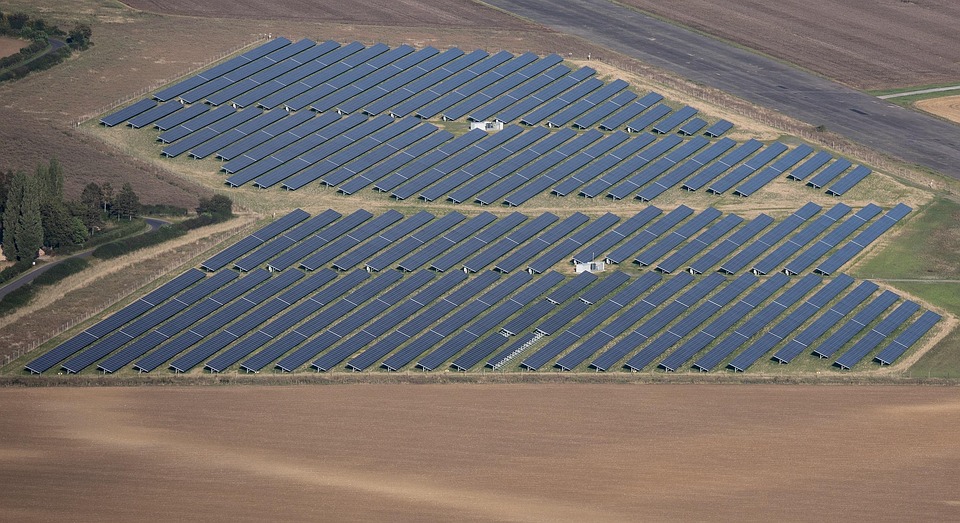
Large-scale solar farms and rooftop installations are increasingly common, capable of powering entire communities and reducing reliance on fossil fuels. Innovations such as bifacial solar panels, which capture sunlight on both sides, and solar tracking systems, which adjust the position of panels to maximize sunlight exposure, are further enhancing efficiency.
Additionally, solar energy storage solutions, such as lithium-ion batteries, are addressing the intermittency issue by storing excess energy for use during cloudy days or nighttime, ensuring a consistent power supply.
Wind Energy
Wind energy is another critical player in the sustainable energy landscape. Wind turbines convert kinetic energy from wind into electricity, offering one of the cleanest and most sustainable forms of power generation. Advances in turbine design, including taller towers and longer blades, have significantly increased the efficiency and output of wind farms.
Offshore wind farms are particularly promising, as they can harness the stronger and more consistent winds found at sea. These projects typically face less opposition from local communities and have a minimal impact on land use.
Furthermore, innovations in floating wind turbines are expanding opportunities for wind energy in deeper waters, where traditional fixed-bottom turbines are not feasible. This opens up vast new areas for development, potentially increasing global wind energy capacity exponentially.
Hydroelectric Power
Hydroelectric power has been a cornerstone of renewable energy for decades, providing a reliable and consistent source of electricity. By harnessing the energy of flowing water, typically from rivers or dams, hydroelectric plants generate electricity with minimal emissions.
Modern developments in hydroelectric technology are focusing on reducing environmental impacts and improving efficiency. Small-scale hydroelectric systems, known as micro-hydro systems, are gaining traction as they can be implemented in smaller waterways with less ecological disruption.
Furthermore, innovations like pumped storage hydropower offer a solution to energy storage, using surplus electricity to pump water uphill into a reservoir and releasing it to generate electricity when demand is high.
Biomass Energy
Biomass energy involves the use of organic materials, such as plant and animal waste, to produce electricity, heat, or biofuels. This sustainable energy solution not only helps reduce waste but also provides a renewable source of power.
Technological advancements have improved the efficiency of biomass energy production, making it more competitive with fossil fuels. For instance, the development of advanced biofuels, such as cellulosic ethanol and algae-based fuels, offers a promising alternative to conventional petroleum-based fuels.
Additionally, biomass power plants can be integrated with carbon capture and storage (CCS) technology to create a carbon-negative energy source, further reducing the carbon footprint of energy production.
Geothermal Energy
Geothermal energy harnesses the Earth’s internal heat to generate electricity and provide heating. This sustainable energy source is highly reliable, offering a constant power supply irrespective of weather conditions.
Enhanced geothermal systems (EGS) are at the cutting edge of geothermal technology, allowing for the development of geothermal resources in areas previously considered unsuitable. By artificially creating reservoirs in hot rock formations, EGS can significantly expand the potential of geothermal energy.
Furthermore, geothermal heat pumps are gaining popularity for residential and commercial heating and cooling, providing an energy-efficient alternative to traditional HVAC systems.
Challenges and Opportunities
Despite the promising developments in sustainable energy solutions, several challenges remain. These include the need for substantial investment in infrastructure, the intermittency of some renewable energy sources, and the integration of new technologies into existing energy systems.
However, these challenges also present opportunities for innovation and growth. Governments and businesses worldwide are investing in research and development to overcome these hurdles and accelerate the transition to sustainable energy. Policy frameworks, such as tax incentives and renewable energy mandates, are crucial in supporting this transition and encouraging private sector investment.
International collaboration is also vital in addressing global energy challenges. By sharing knowledge, technology, and resources, countries can work together to develop sustainable energy solutions that benefit everyone.
The Role of Energy Efficiency
While expanding renewable energy capacity is essential, improving energy efficiency is equally important in reducing overall energy demand and minimizing environmental impact. Energy-efficient technologies and practices can significantly reduce energy consumption in industries, buildings, and transportation.
Innovations such as LED lighting, smart grids, and energy-efficient appliances are making it easier for consumers to reduce their energy usage. Furthermore, building design and construction practices are evolving to incorporate energy-efficient features, such as passive solar design and advanced insulation materials.
Energy efficiency not only reduces greenhouse gas emissions but also lowers energy costs for consumers and businesses, providing economic as well as environmental benefits.
Conclusion
The revolution in sustainable energy solutions is paving the way for a cleaner, more resilient future. Solar, wind, hydroelectric, biomass, and geothermal energy are at the forefront of this transformation, offering viable alternatives to fossil fuels and reducing the environmental impact of energy production.
While challenges remain, the opportunities for innovation and growth in the sustainable energy sector are immense. By investing in research, infrastructure, and international collaboration, the global community can accelerate the transition to a sustainable energy future.
In this era of rapid technological advancement and environmental awareness, the revolution in sustainable energy solutions is not just a necessity—it is an opportunity to create a more sustainable, equitable, and prosperous world for future generations.